

Is the Acadian Historical Village Worth Visiting? A First-Timer’s Guide
Planning a road trip through New Brunswick and wondering: Is the Acadian Historical Village worth visiting? (or, as it’s officially called in French, Village Historique Acadien).
Maybe you’ve heard bits and pieces about Acadian history and stumbled upon this spot while researching things to do in the Acadian Peninsula and New Brunswick.
In this post, we’ll share everything you need to know before you go, the good, the not-so-good, and what to expect as a first-time visitor.

We spent five weeks exploring New Brunswick in our RV, visiting one town at a time, and the Acadian Peninsula quickly became one of our favourite stops.
During our week there, we dedicated a full afternoon to exploring the Acadian Historical Village and ended up spending over four hours walking through every detail.
Planning your trip to The Acadian Peninsula?
These are the resources we personally use and recommend to book flights, find accommodations, and plan your trip with confidence.
• ✈️ Book your flights here.
• 🏨 Find places to stay in the Acadian Peninsula here.
• 🚗 Rent a car for your trip here.
• 🎟️ Explore tours and activities with Viator.
• 🚐 Find unique RV stays with HarvestHosts.
• 🐾 Travel while caring for pets with TrustedHousesitters.
•🎒 Shop travel essentials on Amazon.

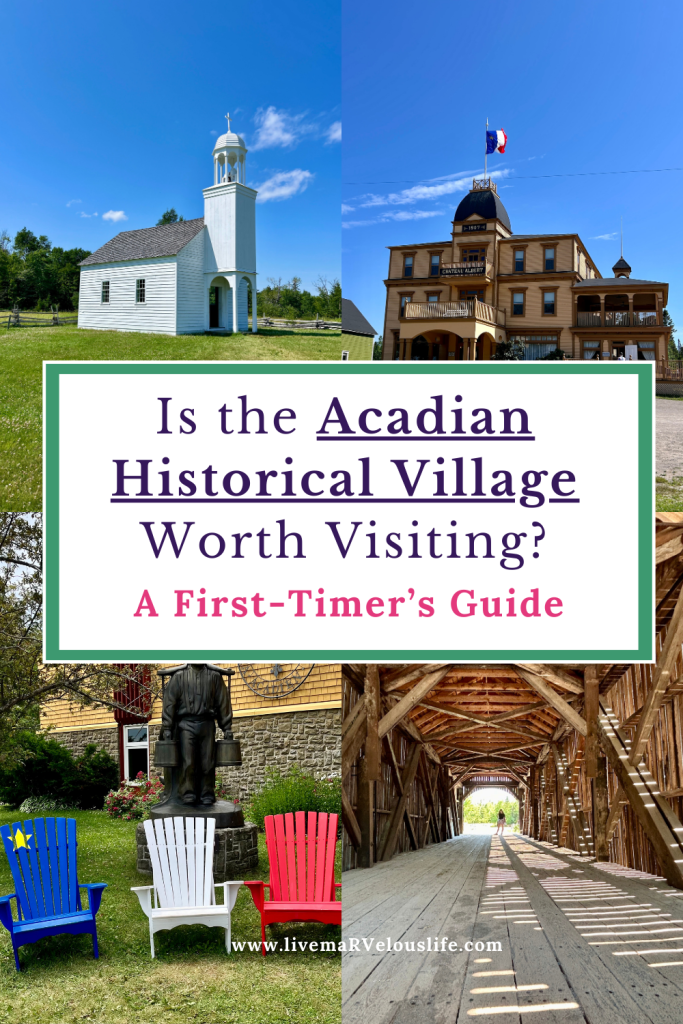
Is the Acadian Historical Village Worth Visiting?
In our opinion, absolutely! Visiting the Acadian Historical Village feels like stepping back in time.
You’ll get to see and hear what life was like for the Acadian people through different time periods, from the 18th century to the early 20th century. The attention to detail, from the historical buildings to the costumed interpreters, makes it more than just a museum; it’s a living experience of history.
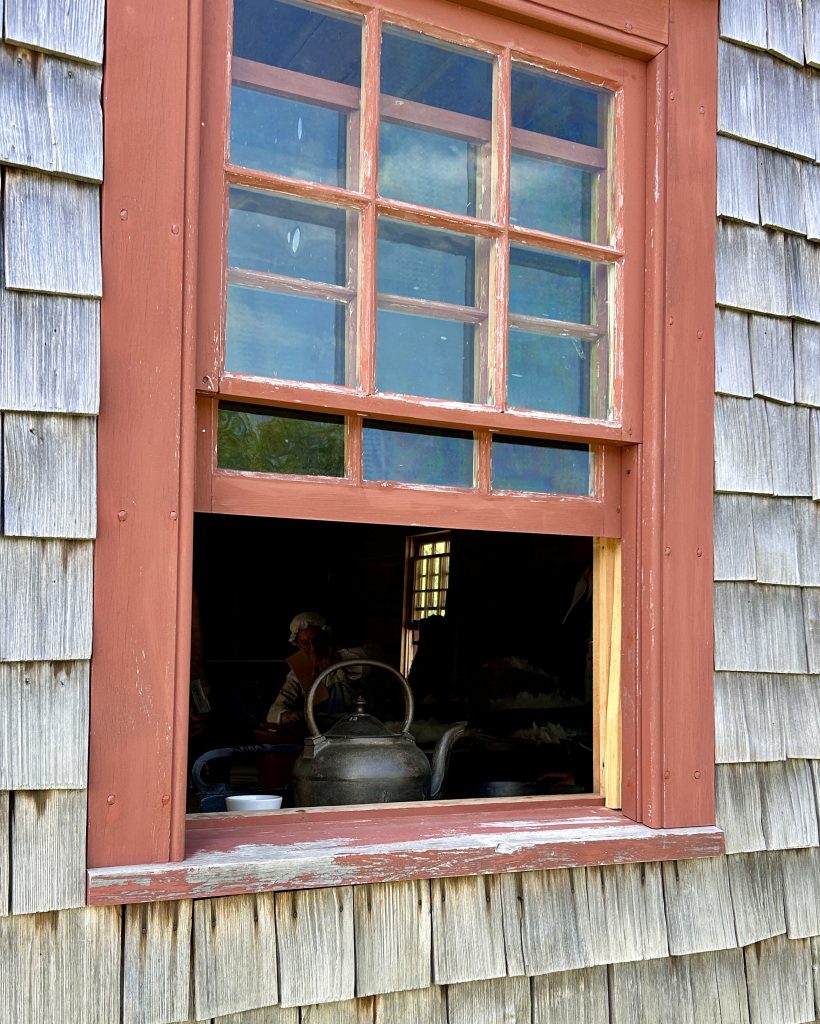
Interpretation 1846
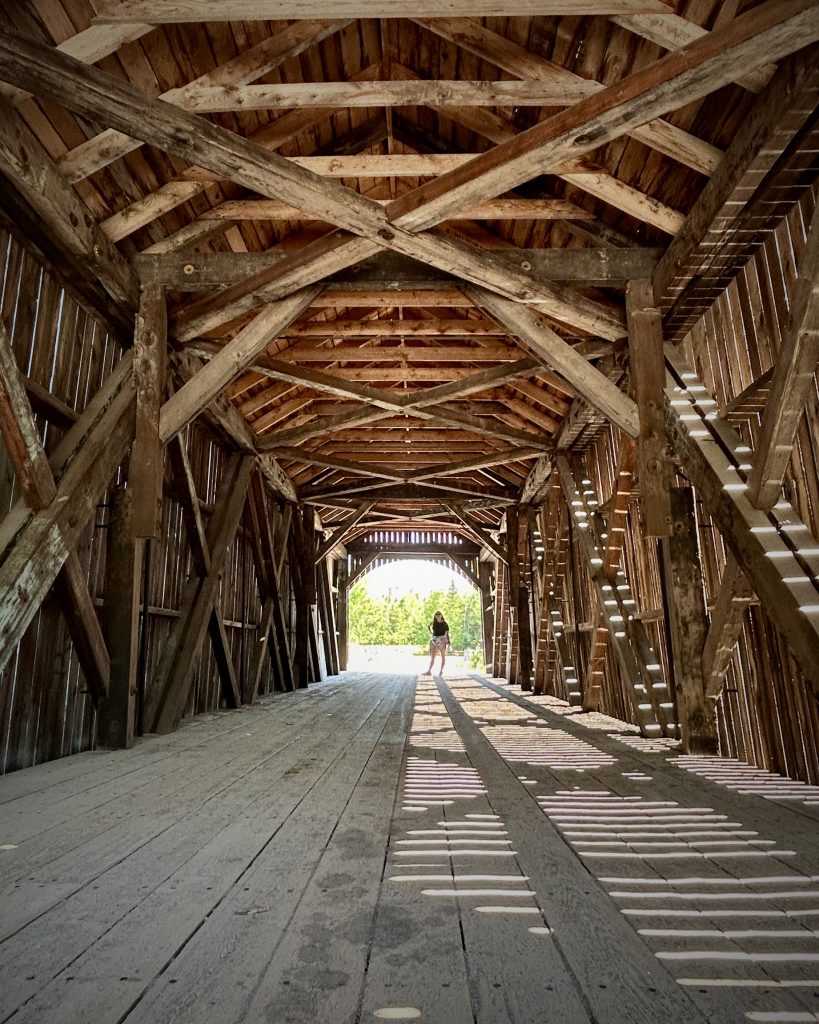
Early 20th century
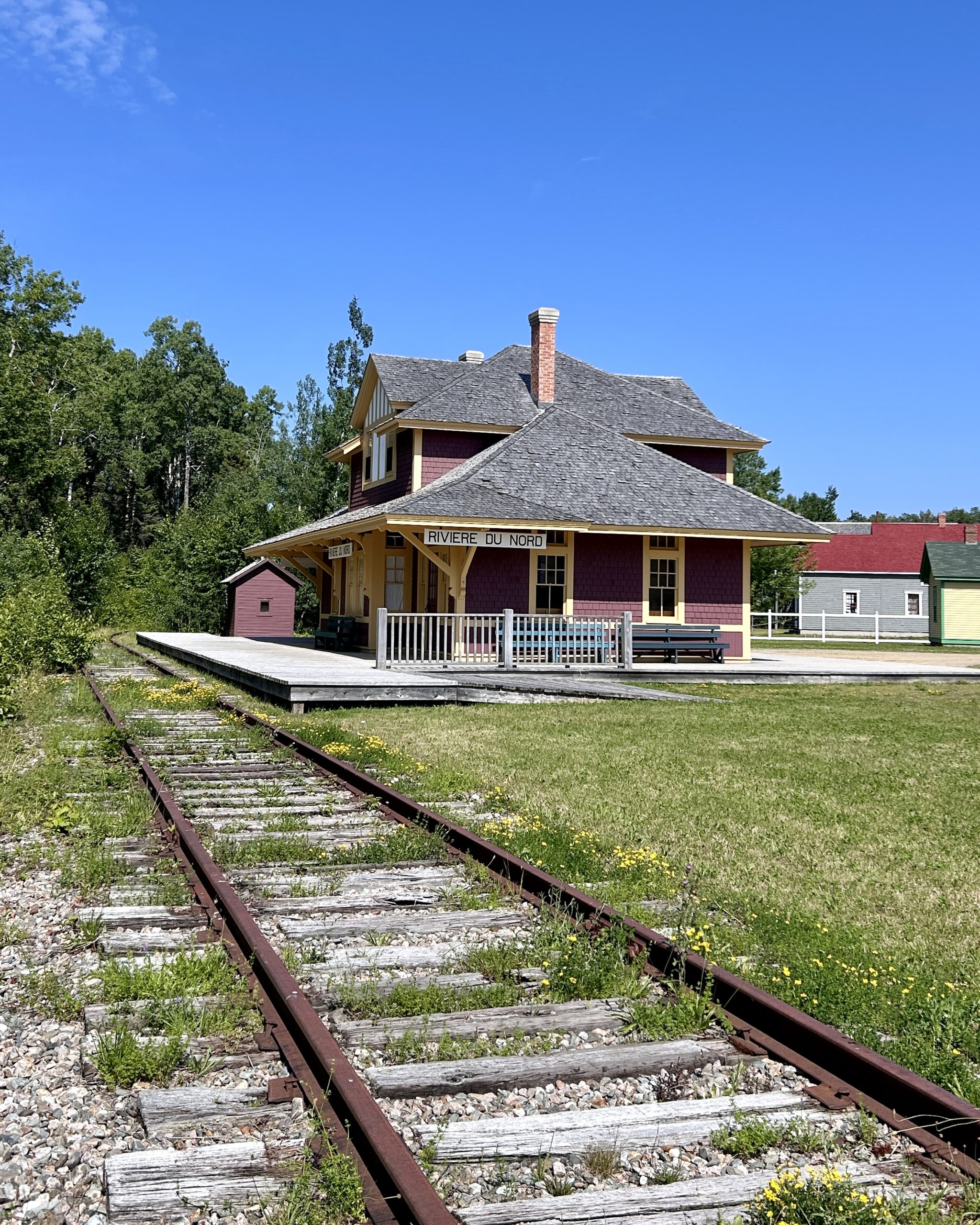
Interpretation: 1930
The Village Historique Acadien in Bertrand, New Brunswick is a cultural journey. The visitor center invites all travellers to slow down and explore Acadian traditions.
This is the perfect starting point for an unforgettable road trip through New Brunswick’s Acadian Peninsula.
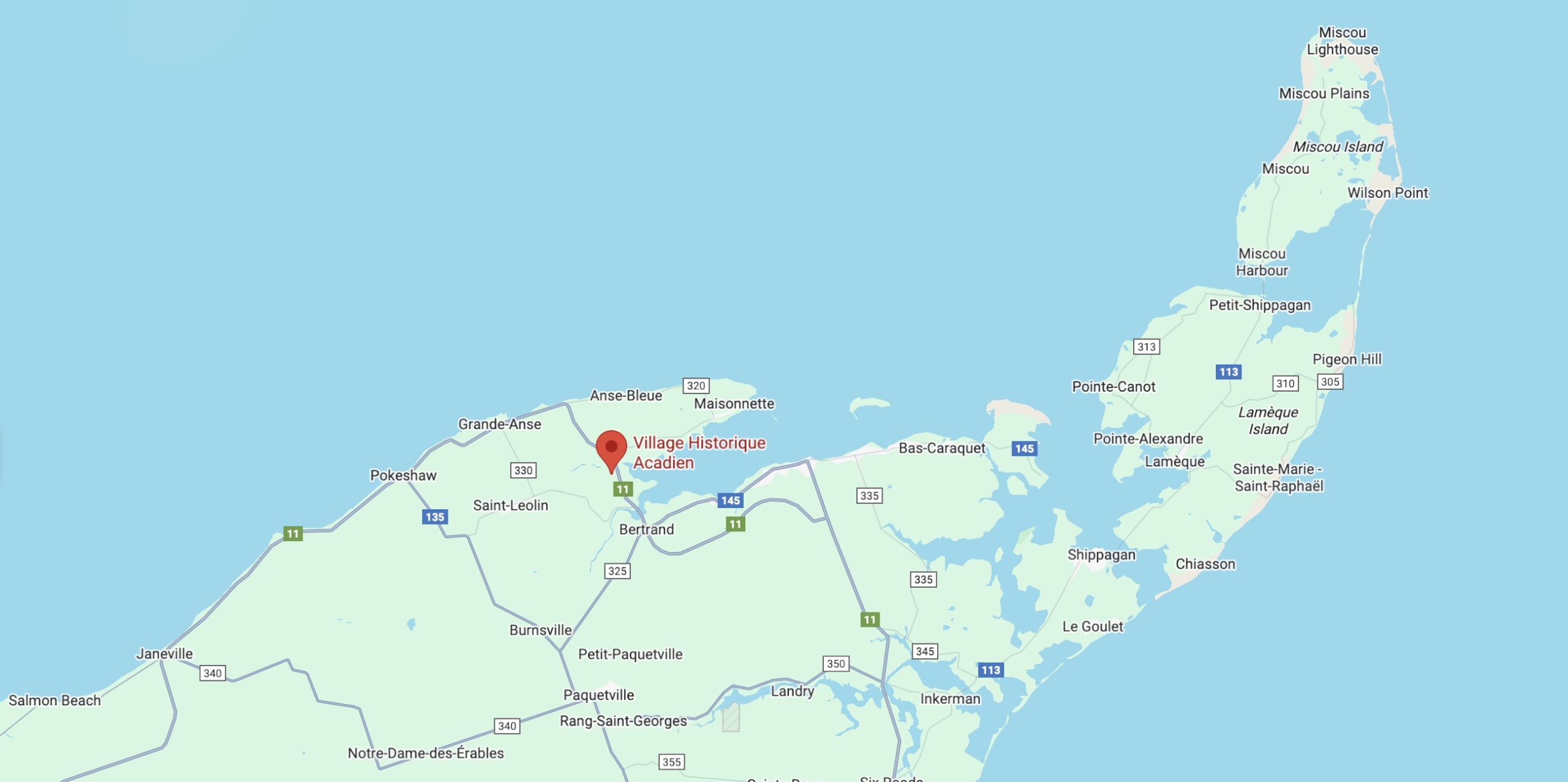
Where Is the Acadian Historical Village Located?
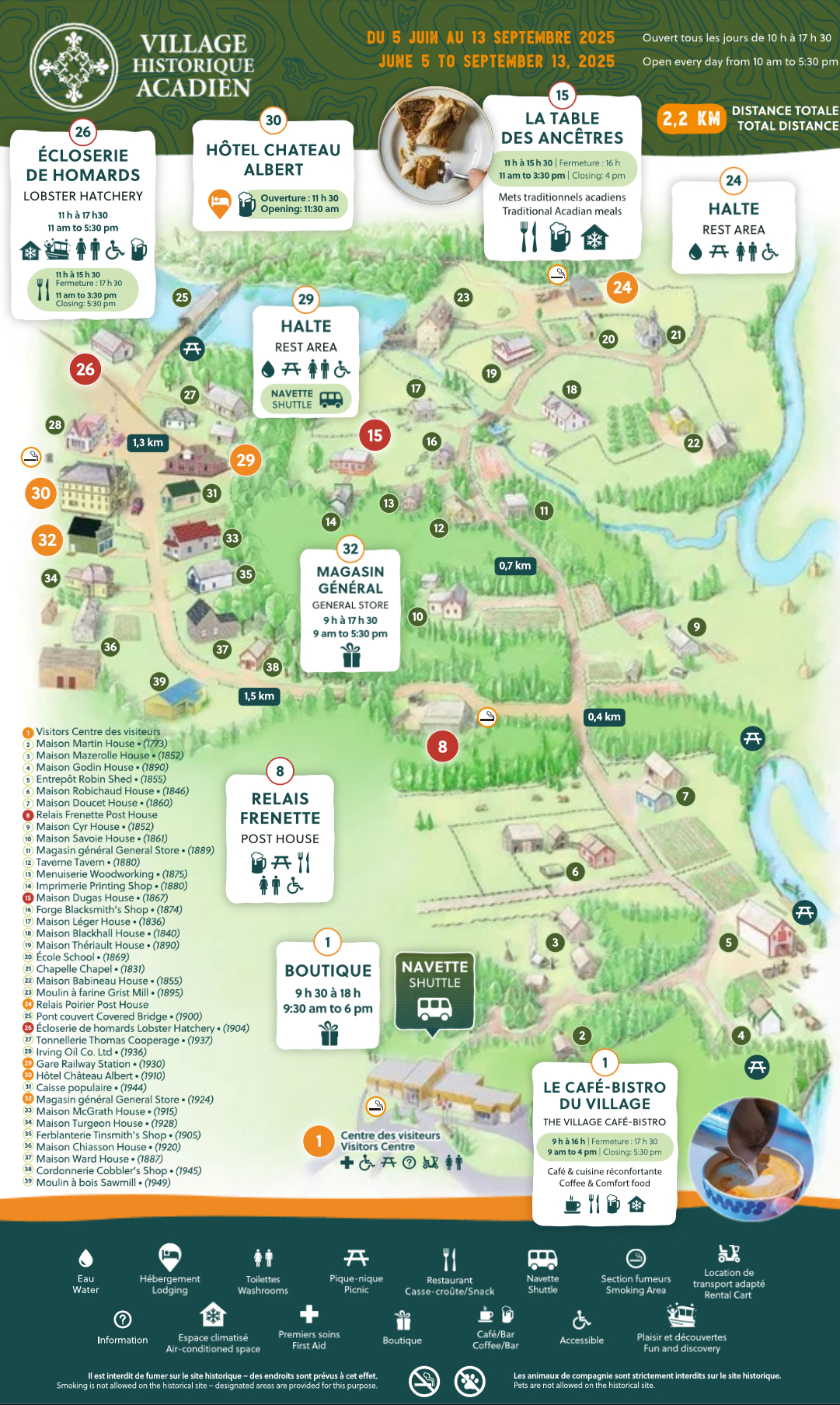
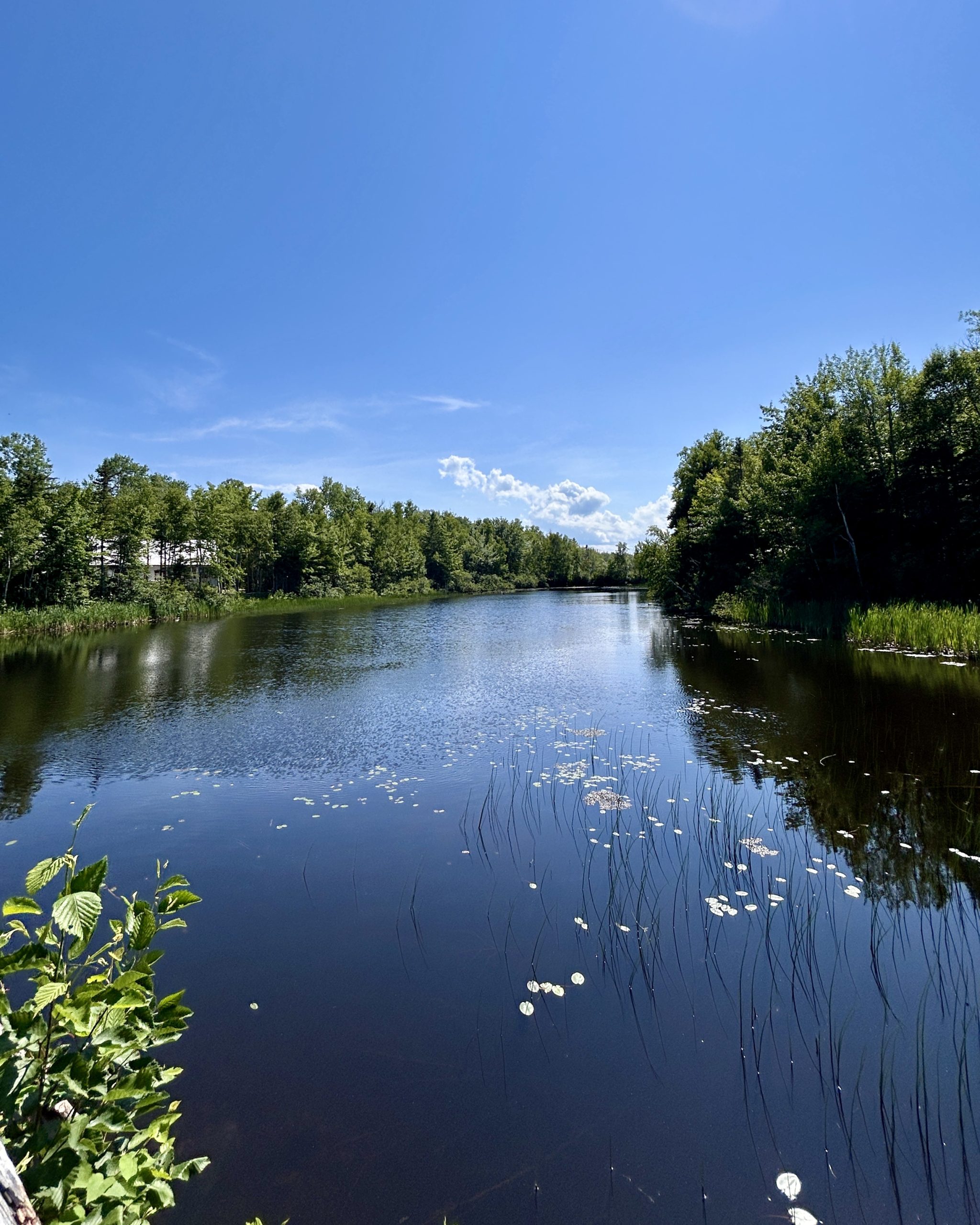
The Acadian Historical Village is a living museum located in the town of Bertrand, New Brunswick. The site features a 2.2 km trail with over 40 historical buildings, each bringing Acadian history to life.
Costumed interpreters portray daily life between the 1700s and 1900s, making it feel like you’ve stepped back in time.
What Is the Acadian Historical Village Known For?
Inside the Village Historique Acadien, each building is set in a specific year. As you walk through the trail, you can literally see history unfold, watching how the Acadian community modernized, adopted new technologies, and adapted to changes over time.
The village is open from June to September each year. Most interpreters are bilingual (English and French), so you can enjoy the stories no matter which language you speak.
On-site, you’ll also find four restaurants, a gift shop, and even a fully functioning hotel where you can stay overnight for the full immersive experience.
Acadian Historical Village Tickets
Tickets for the 2025 season are: Adult $24.82, Student $18.20, and Senior $19.30 per person. Your entry wristband is valid for two consecutive days, as long as you keep it on your wrist.
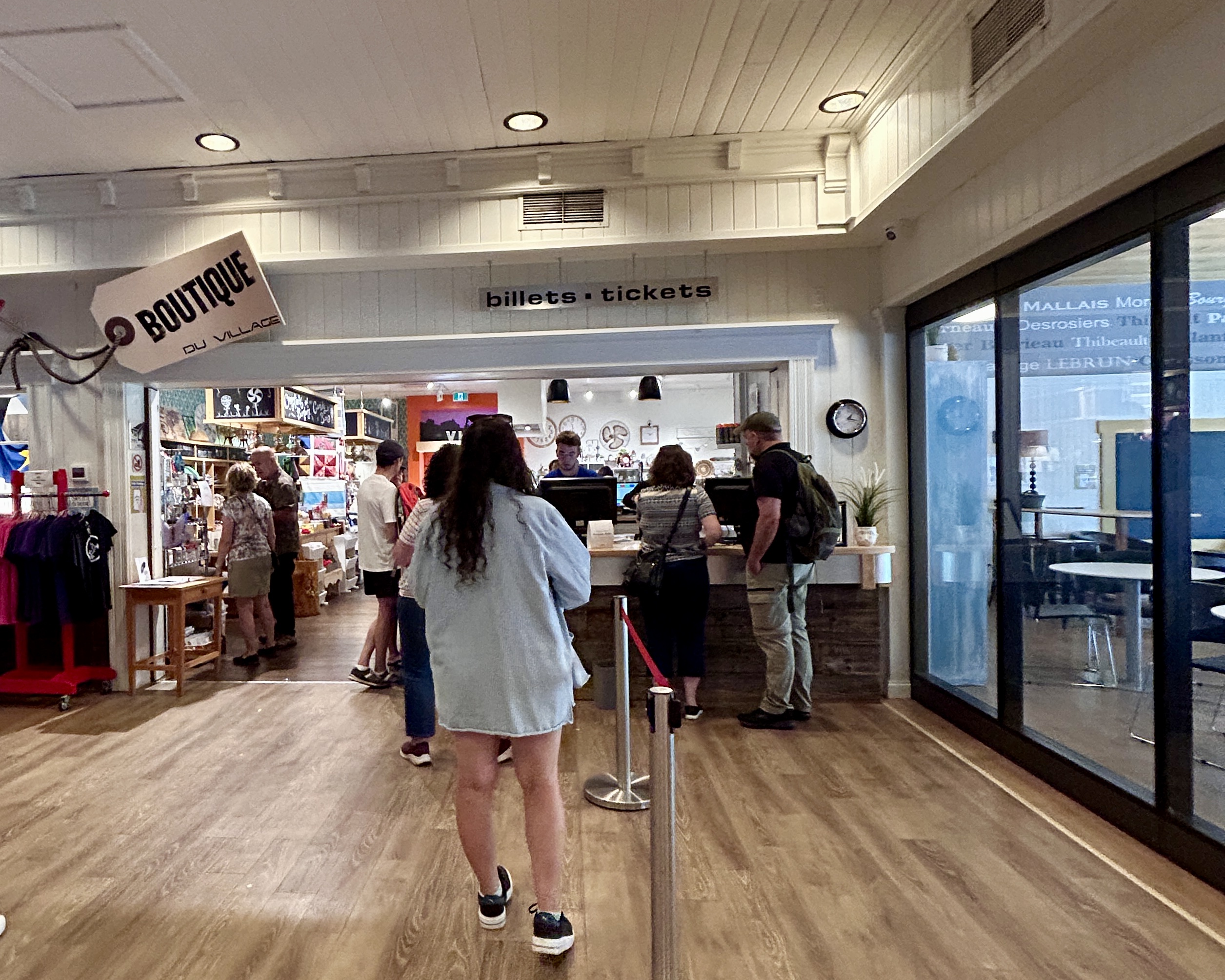
There are also special tickets available for Families, Groups, and School Visits at discounted rates.
A Bit of Acadian History
If you’d like to dive deeper into the history of Acadia and the Acadian people before your visit, check out our post Is the Acadian Peninsula Worth Visiting? Everything you need to Know where we share more about their story and culture.
(reproduction)

Who Is the Acadian Historical Village Ideal For?
Still wondering is the Acadian Historical Village worth visiting for someone like you? If you love learning about history, exploring different time periods, and seeing how daily life evolved over the years, this place will be right up your alley.
It’s also great for families. Whether you’re travelling with kids or older relatives, everyone can enjoy the experience. The walking paths are simple to follow all the way through, and for those with mobility challenges, carts are available to rent.
What to Expect During Your Visit
Your ticket includes a self-guided tour, so you can explore entirely at your own pace. We recommend grabbing a map at the entrance so you can follow the historical order of the buildings.
The first few houses tend to get busy (since everyone starts there), but as you move further along, the crowds thin out and you can enjoy a quieter experience.
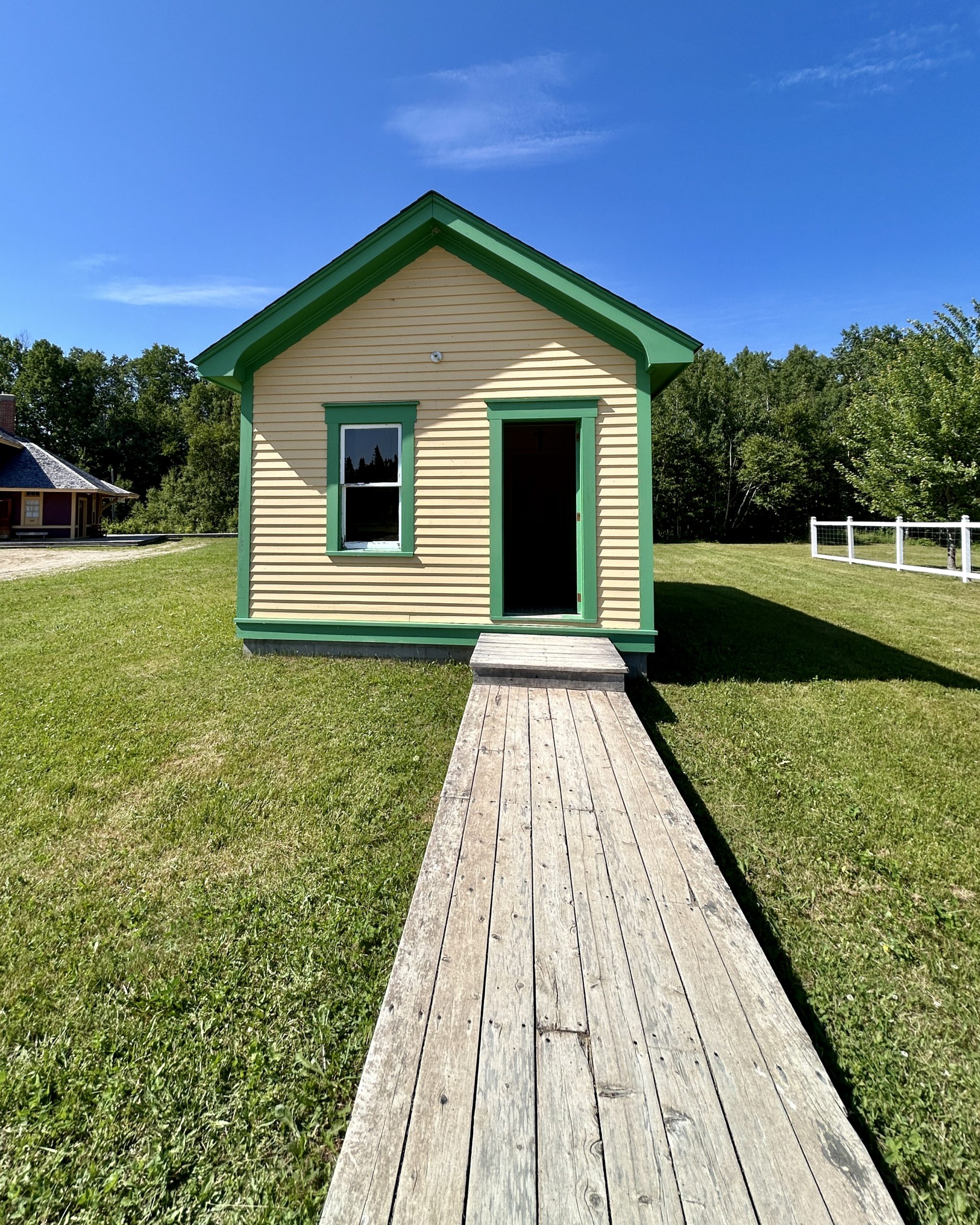
Interpretation: 1944
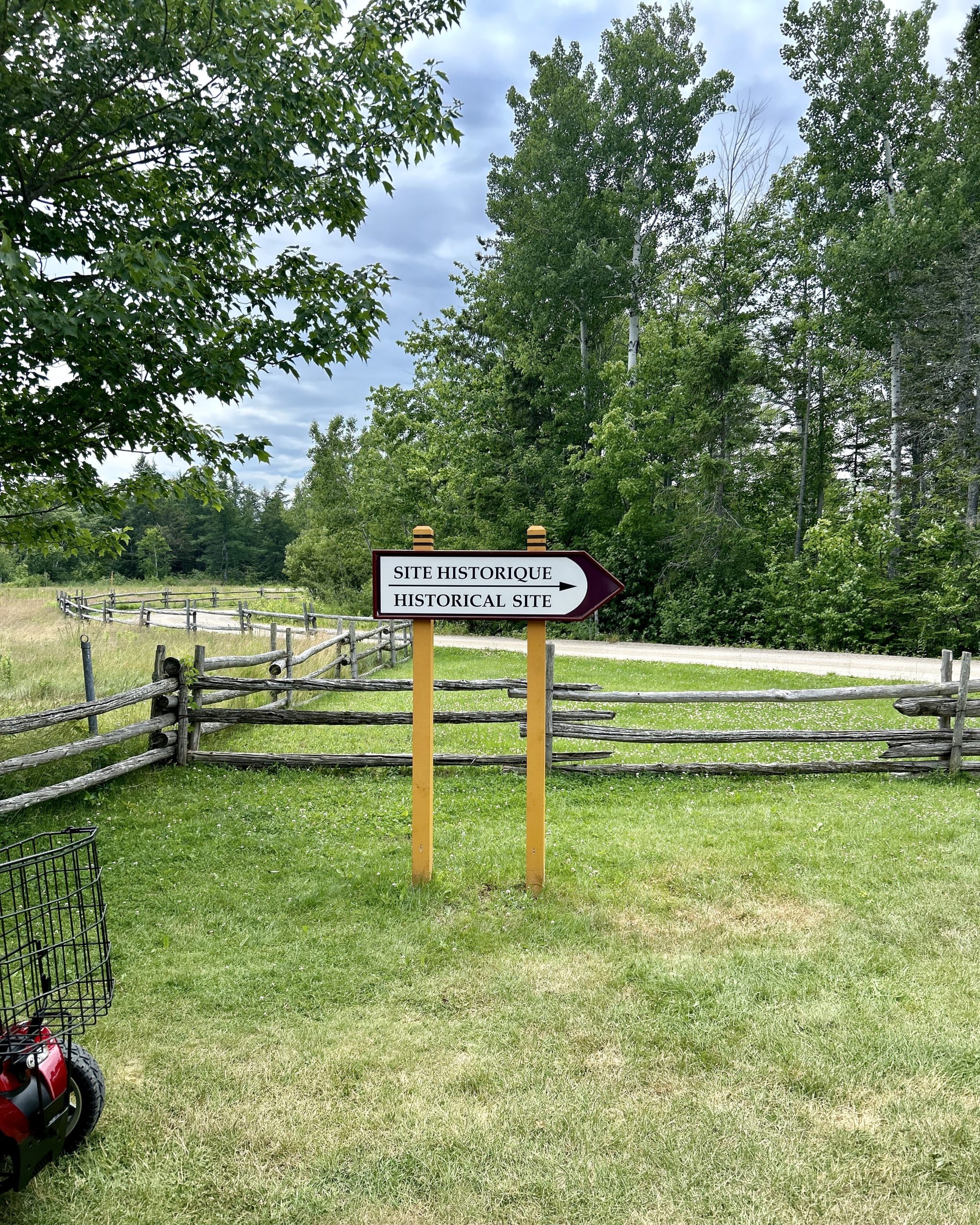
If you don’t speak French, you can still enjoy the tour, most interpreters can also tell the stories in English. However, we noticed that sometimes we arrived mid-presentation in French, so we would politely wait until they finished before asking for the English version.
Honestly, in the first 4–5 houses, we didn’t feel confident enough to ask right away because it seemed like everyone else understood French. But we quickly realized that if we didn’t ask, we wouldn’t understand anything, so don’t hesitate to speak up!
Important Things to Know Before Visiting the Acadian Historical Village
If you’re planning your first visit and still wondering is the Acadian Historical Village worth visiting, here are some practical tips that will make your day smoother, and more fun!
1. Language
The presentations are in French, since this is an Acadian cultural site. If you don’t speak French, you can absolutely ask for an English explanation, the staff are bilingual.
Just keep in mind that if you arrive mid-presentation, you might have to wait until the end before they can repeat it in English. We learned this the hard way in the first few houses, when we didn’t feel confident enough to ask right away because everyone else seemed to understand French. But trust us, if you don’t ask, you won’t understand much, so don’t be shy!
2. Weather & What to Bring
This is an outdoor walking tour, so prepare for the elements:
- Sunscreen (even on cloudy days)
- Bottled water (there are fountains, but having your own is handy)
- Insect repellent (especially in summer)
- Umbrella or rain jacket (the weather can change fast)
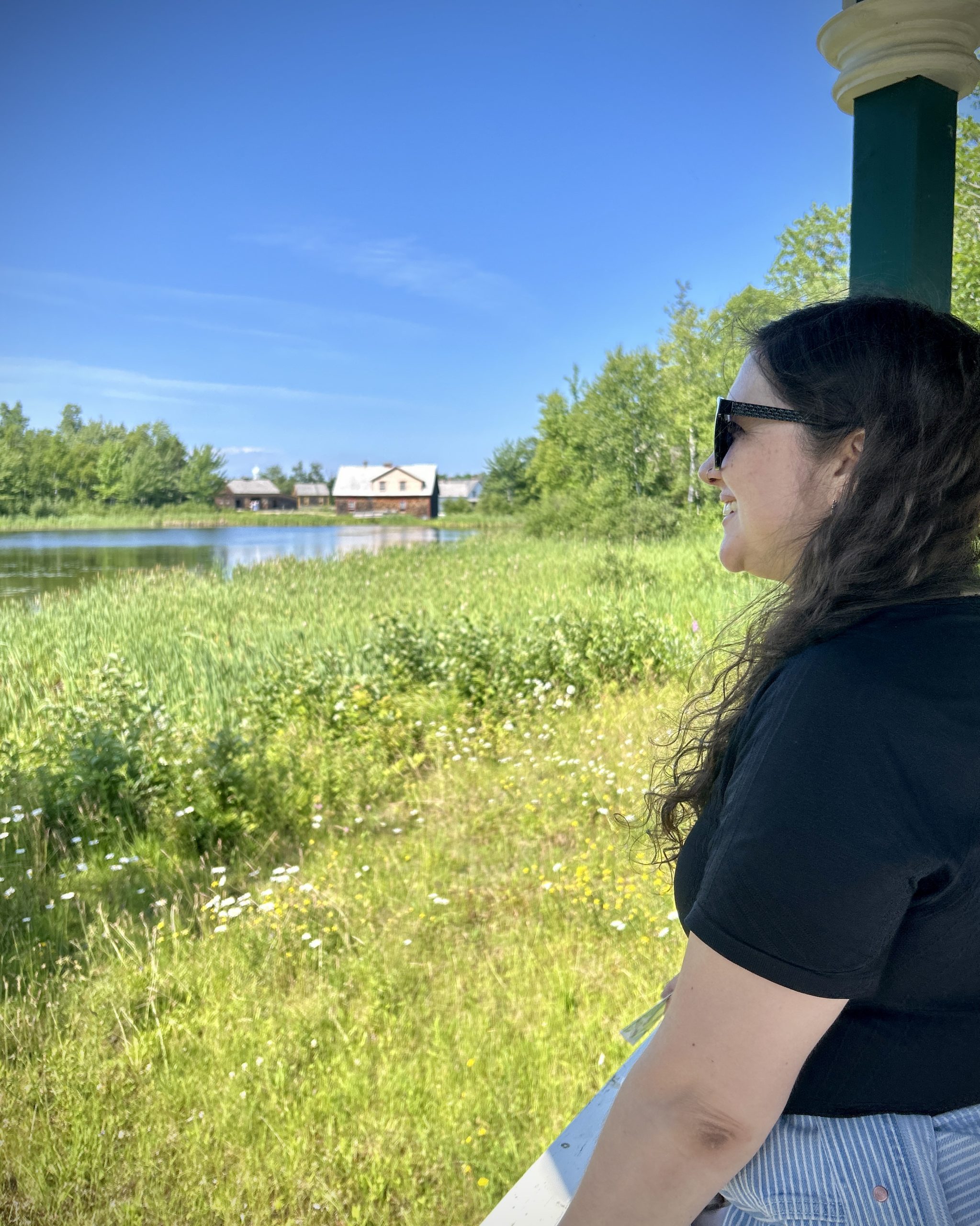
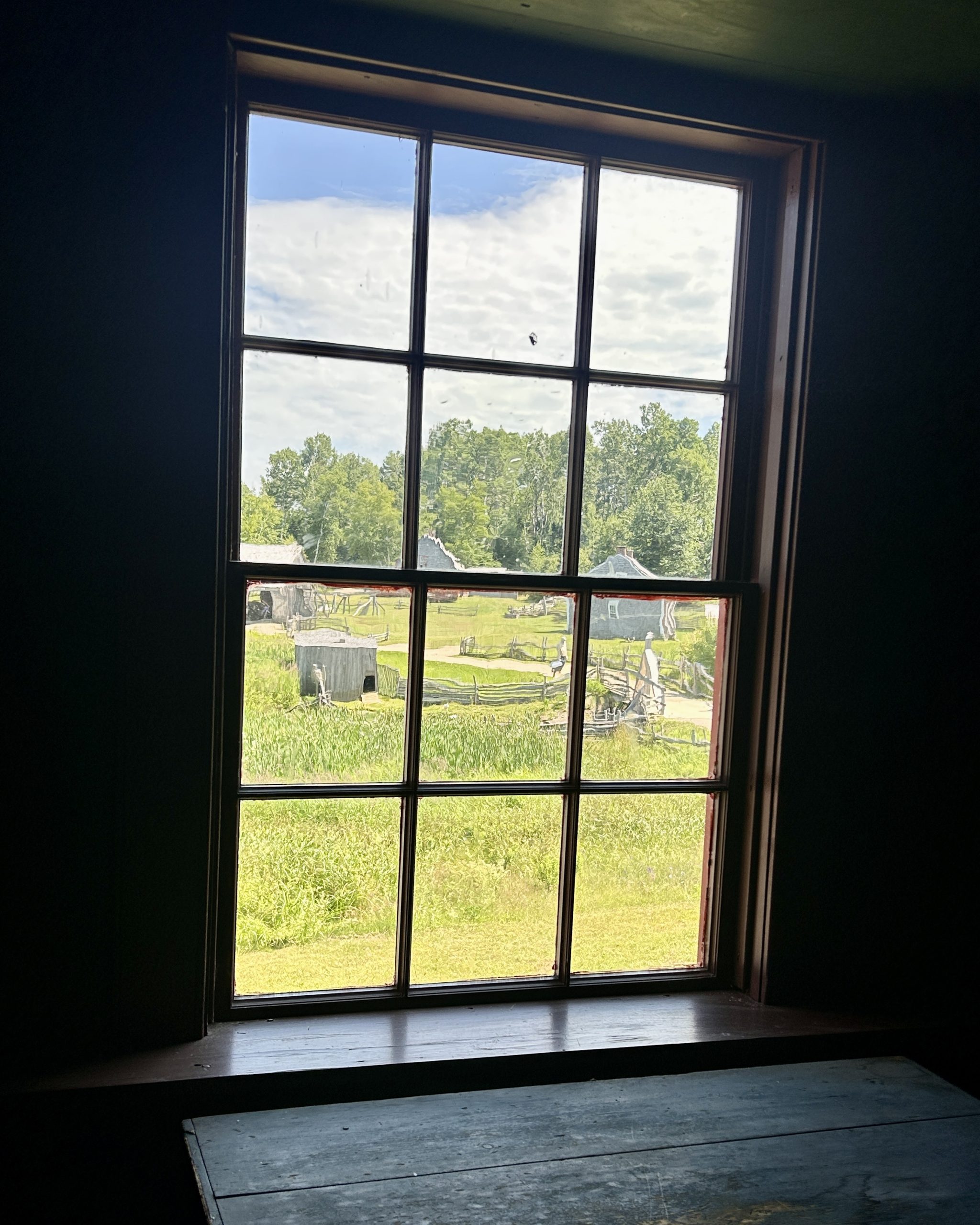
- Comfortable walking shoes (you’ll be on your feet for a while)
3. Clothing
Dress for the weather and wear something breathable, you’ll be outside most of the time. Layers work best since the temperature can shift during the day.
4. Food
There are four on-site restaurants and a gift shop with snacks, but if you have dietary restrictions, plan ahead.
As vegans, we couldn’t find anything suitable to eat inside (even the desserts had milk). If you’re vegetarian, vegan, or gluten-free, packing your own lunch or snacks is the safest bet.
5. Ticket Validity
Your ticket (or wristband) is valid for two consecutive days as long as you keep it on your wrist. This is great if you want to take your time and split the visit into two shorter days instead of one long one.
6. Accessibility
The site is mostly flat and easy to navigate, making it suitable for wheelchairs, strollers, and mobility aids. You can also rent carts if needed.
Interpretation: Early 20th century
7. Pets
Pets are not allowed inside the historical site, so make arrangements if you’re traveling with one. Service animals are the only exception.
8. Are there parking spaces for RVs or trailers?
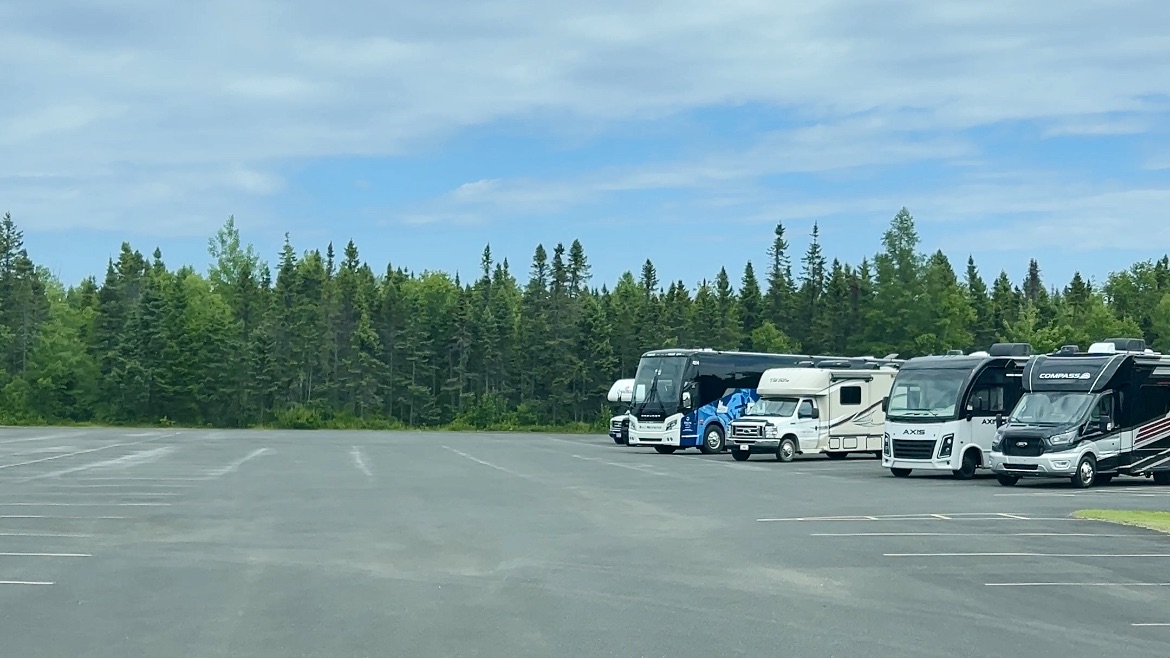
Yes! The Acadian Historical Village has a large parking area with designated spaces just for RVs and trailers. Even if you’re traveling with a big rig like ours, you’ll have no problem finding a spot.
9. Where can we eat on-site?
There are several places to eat inside the historical site, four different stops offering a variety of food options, from quick snacks to full meals.
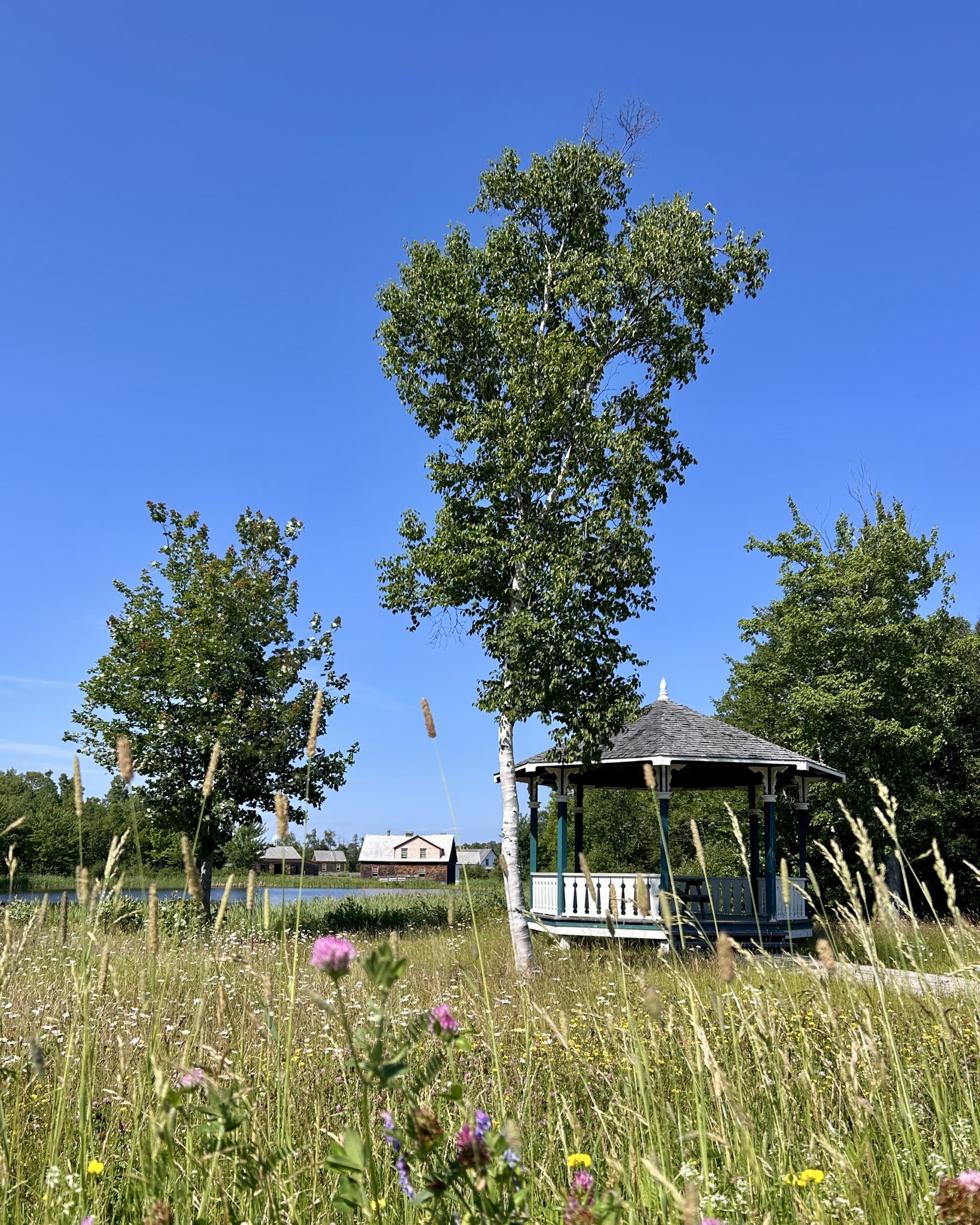
Keep in mind that if you have dietary restrictions (like us, as vegans), options may be limited, so packing your own food is always a good idea. Bringing your own snacks or picnic is allowed, and there are plenty of outdoor areas where you can sit and enjoy your meal.
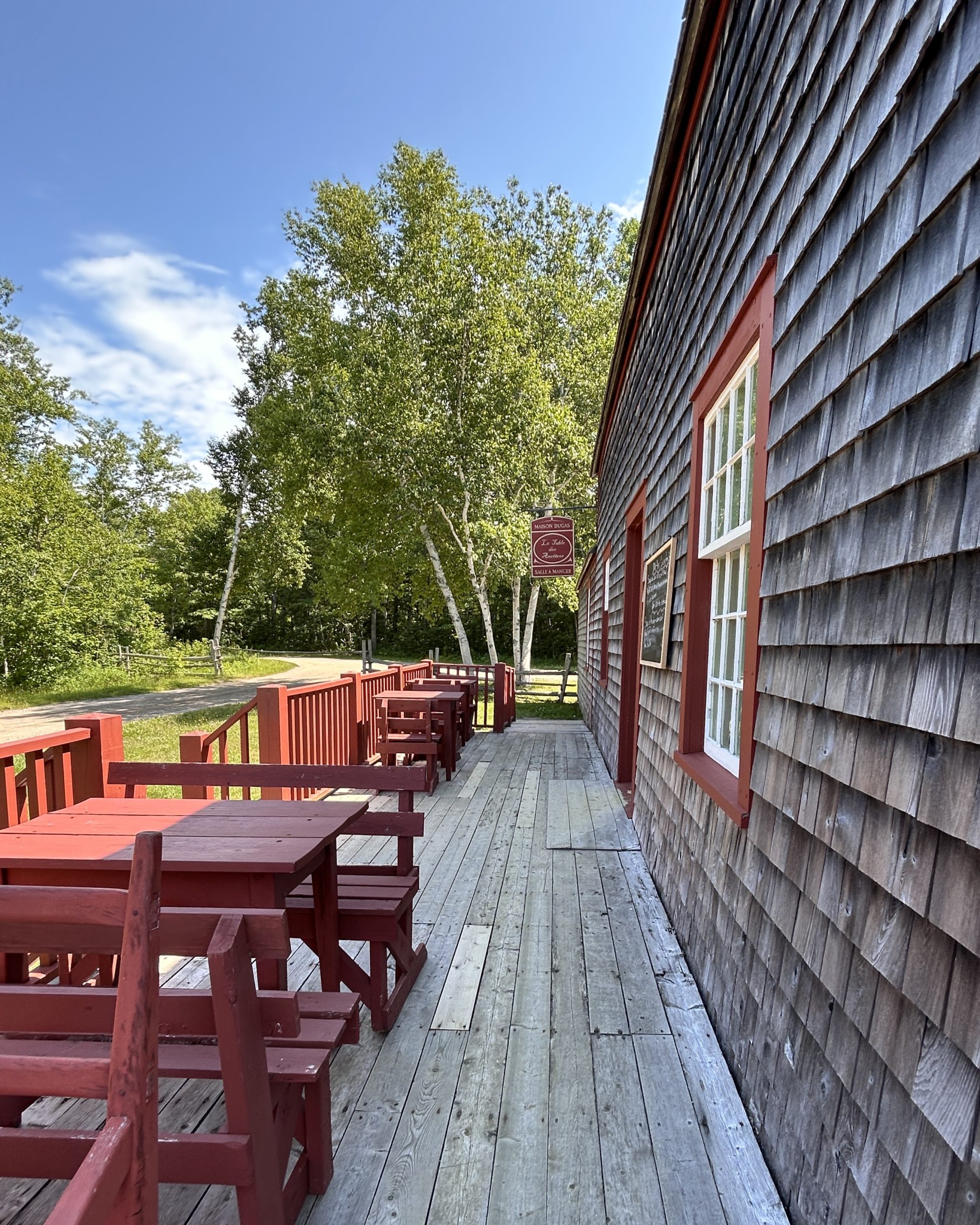
Interpretation: 1867
Best Parts of Our Visit to the Acadian Historical Village
If you’re still asking yourself is the Acadian Historical Village worth visiting, these were our personal highlights from the day:
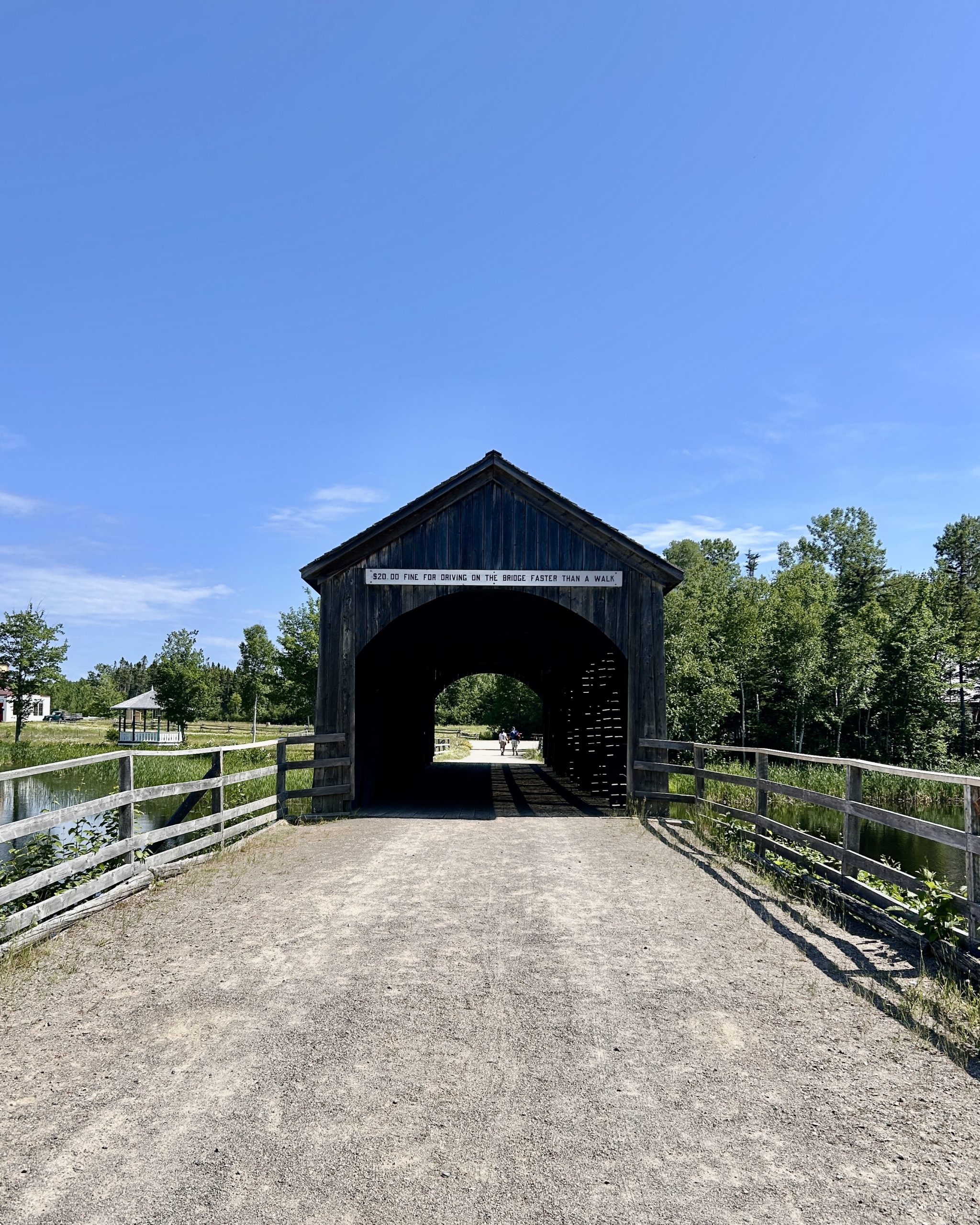
The Covered Bridge: Covered bridges are a New Brunswick icon, and the village even has one of its own. Walking through it felt like stepping back in time.
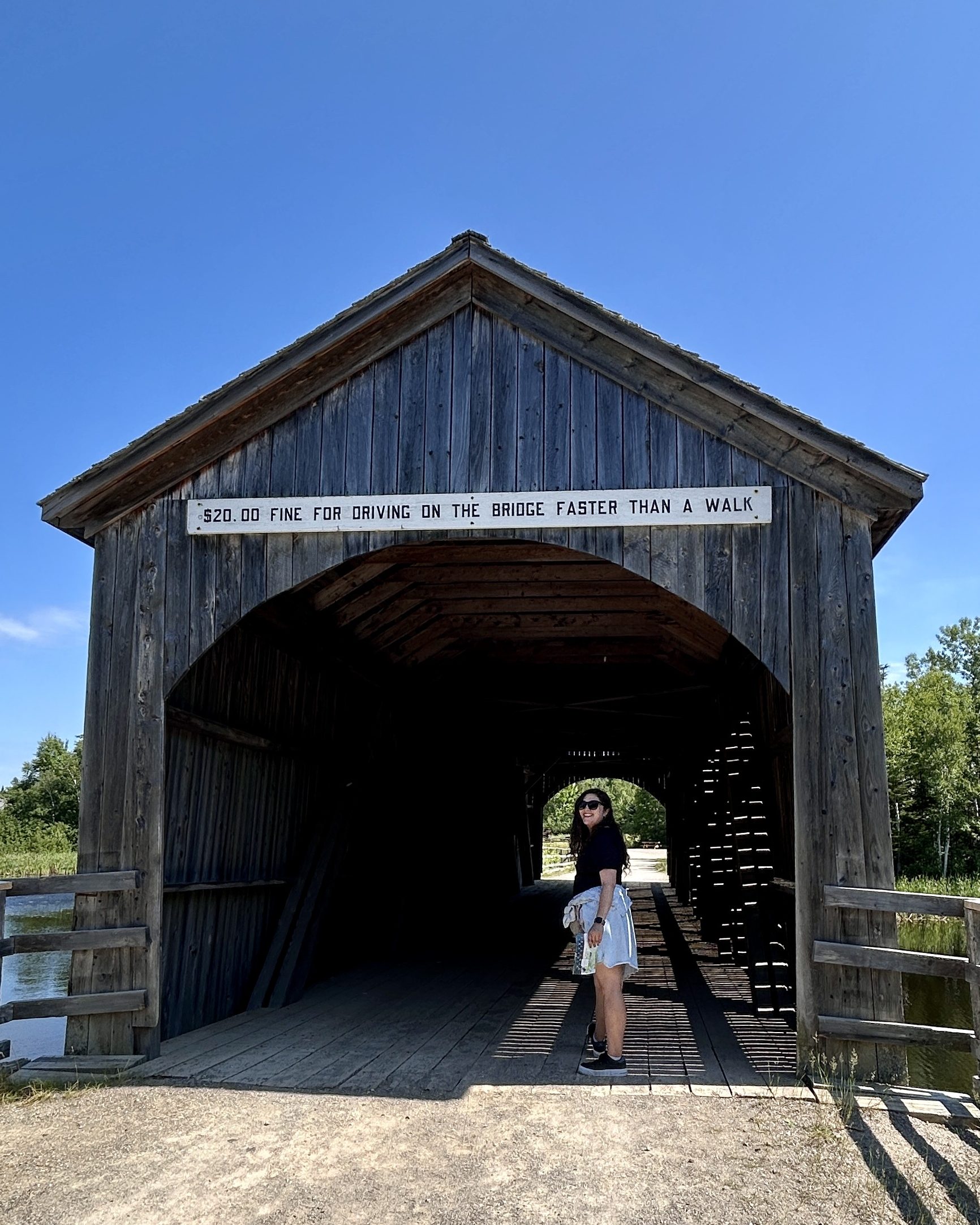
Interpretation: Early 20th century
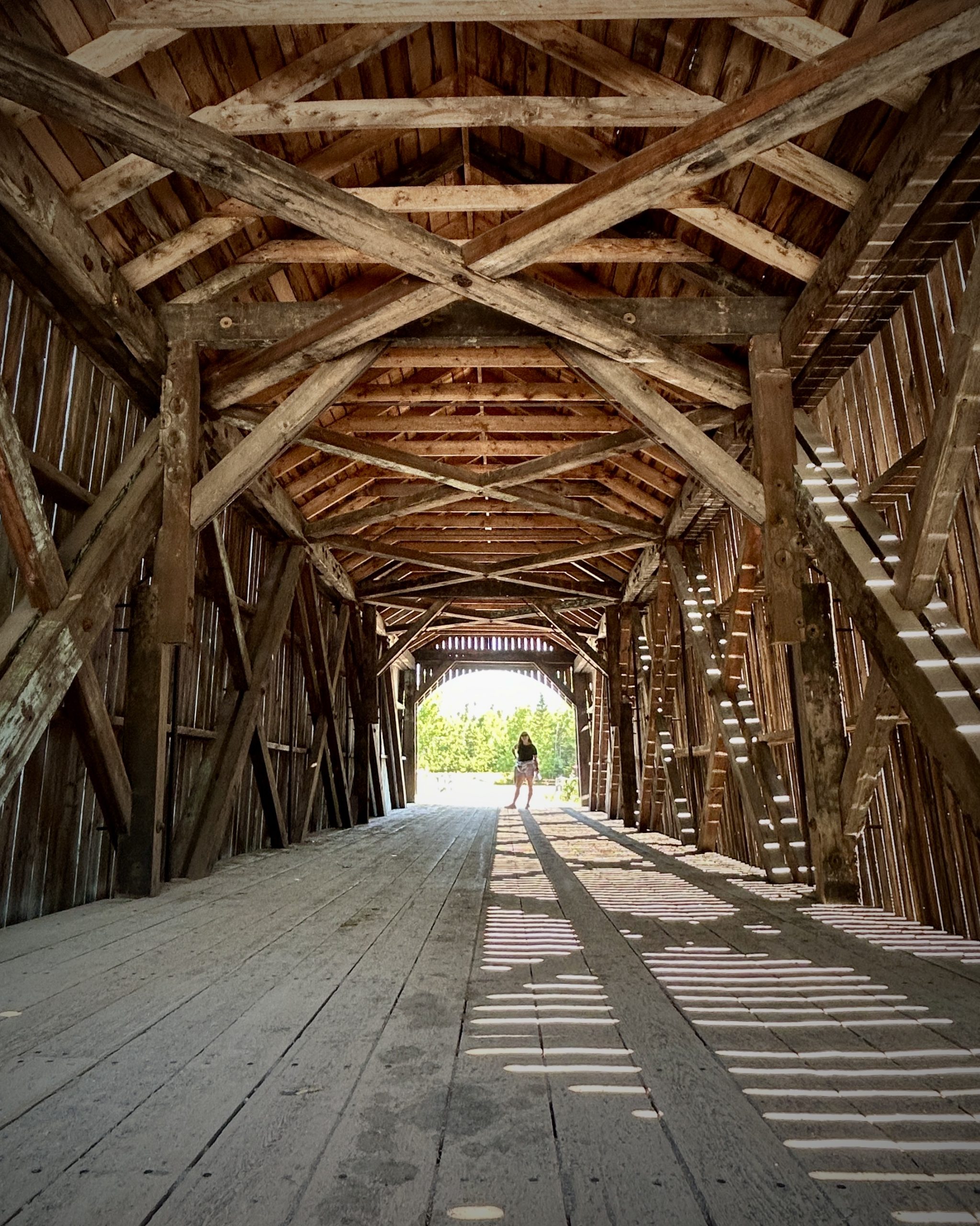
Interpretation: Early 20th century
The Print Shop: We loved seeing how newspapers were made back in the day, from the printing process to the final product. The actor explained everything so well that we could easily follow the steps.
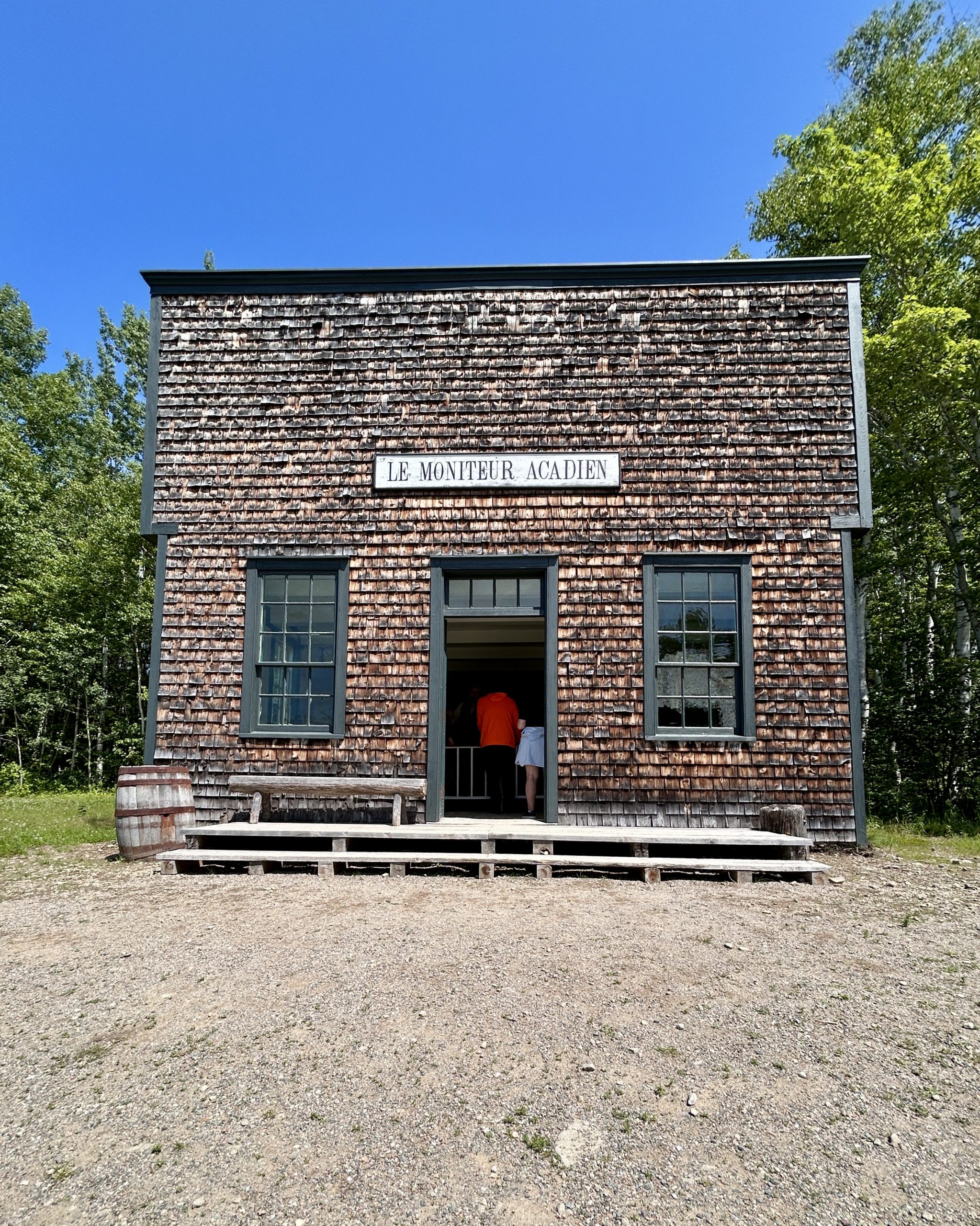
Interpretation: 1880
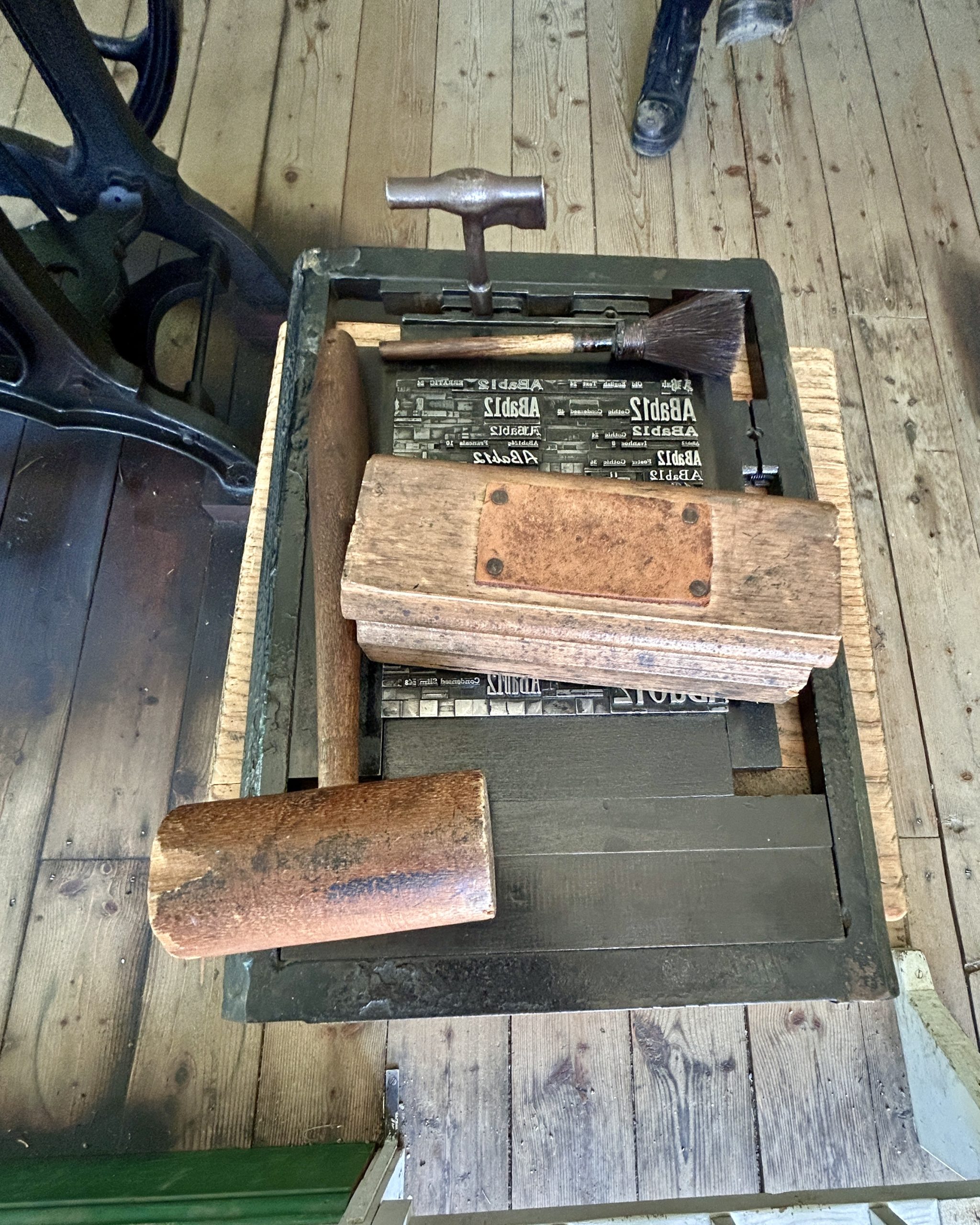
Imprimerie du Moniteur Acadien
The Bar: This was Aldo’s favourite stop. I didn’t go inside because it was small and a bit crowded, but he enjoyed the atmosphere.
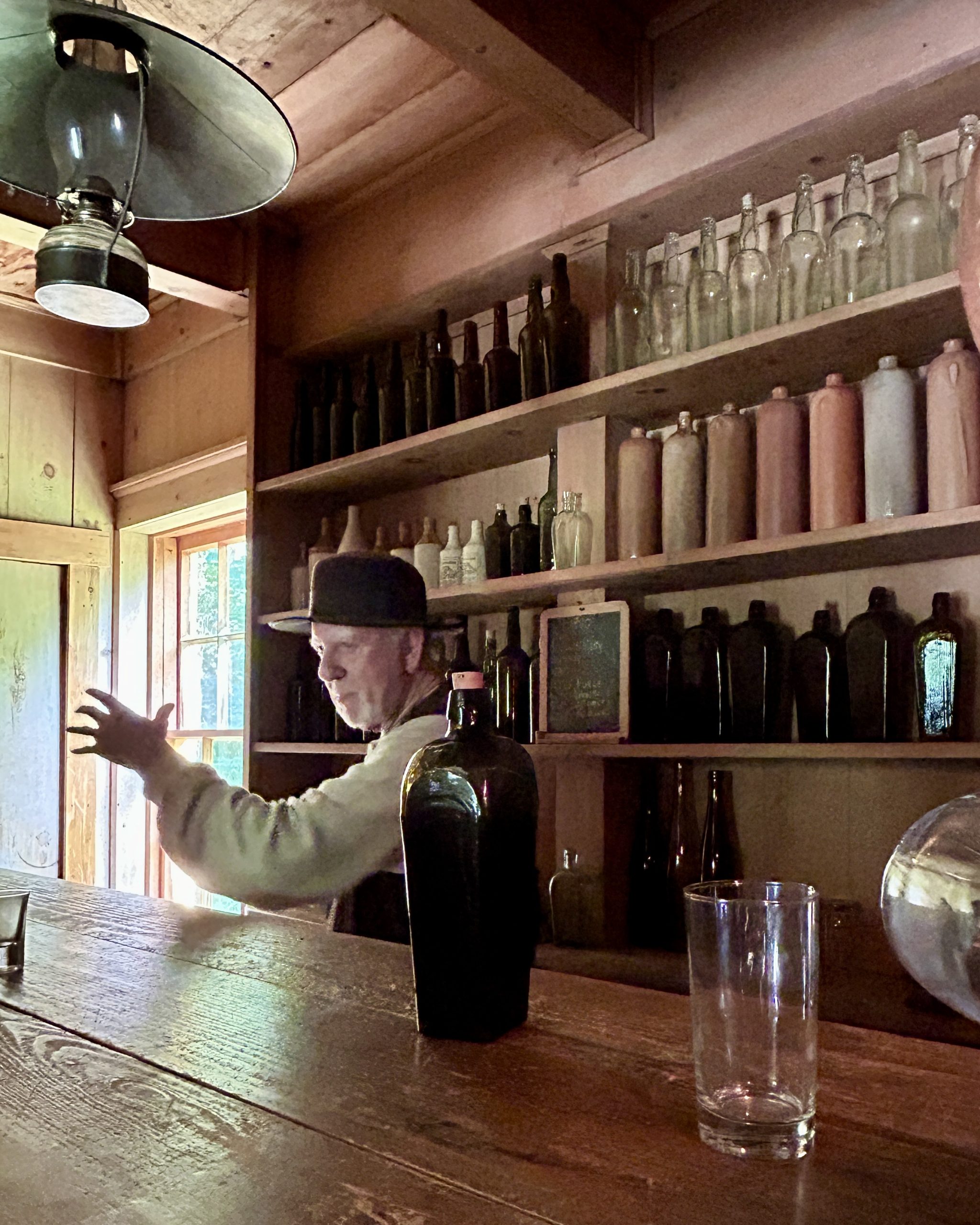
Interpretation: 1880
The Mill: One of our personal highlights. I found it fascinating how meticulously the system was prepared for that time, and we could see the process from beginning to end.
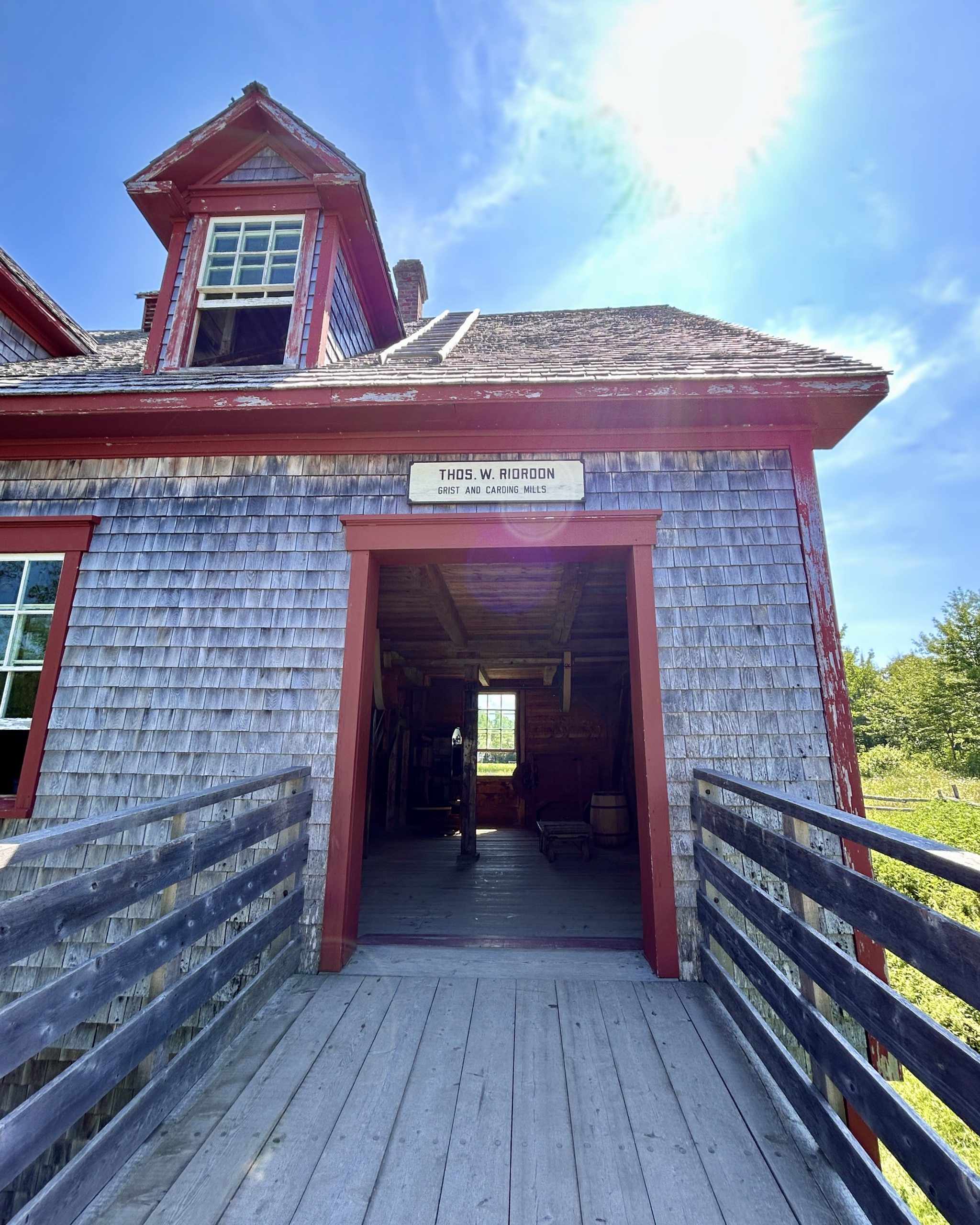
Interpretation: 1895
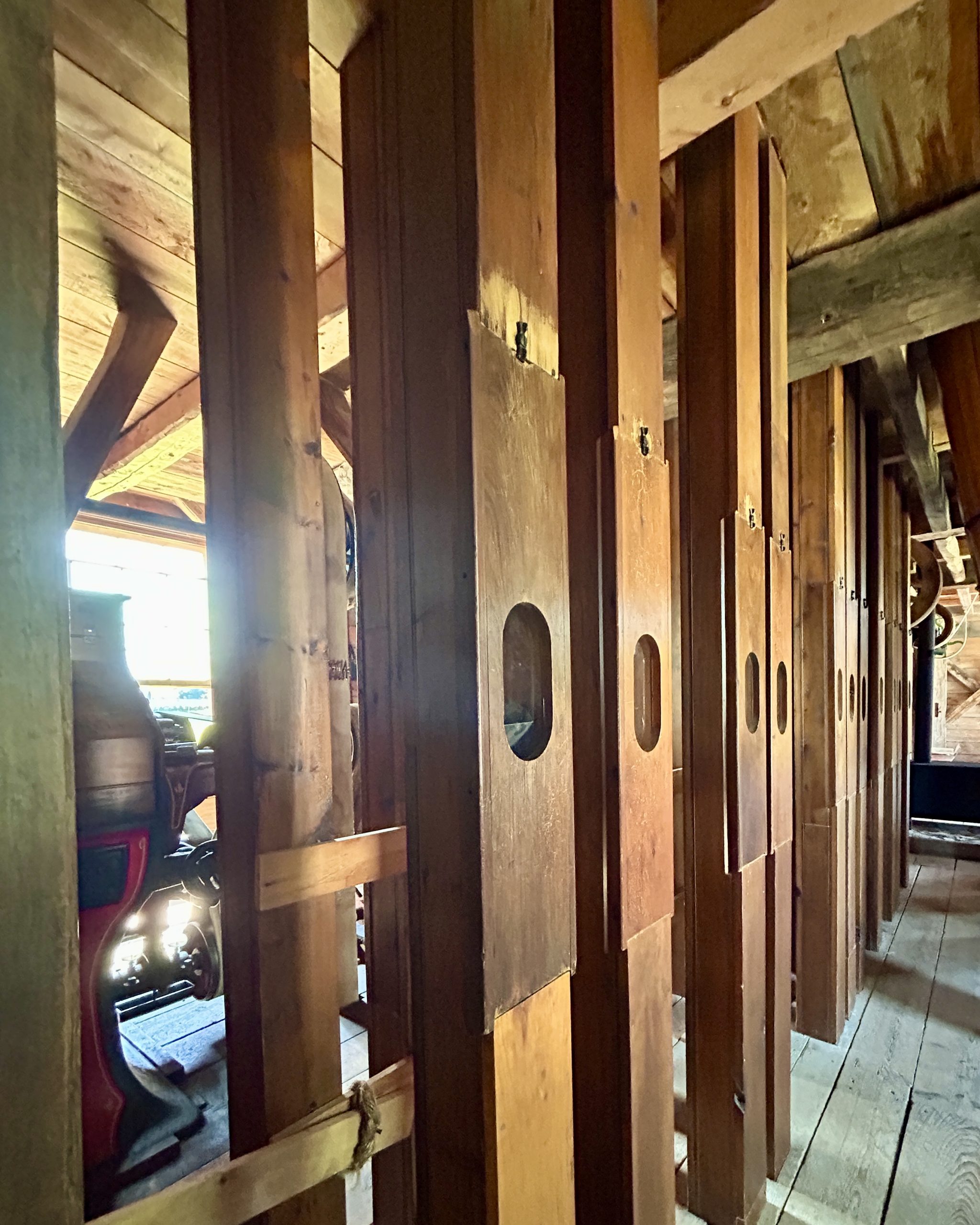
Riordon Mill
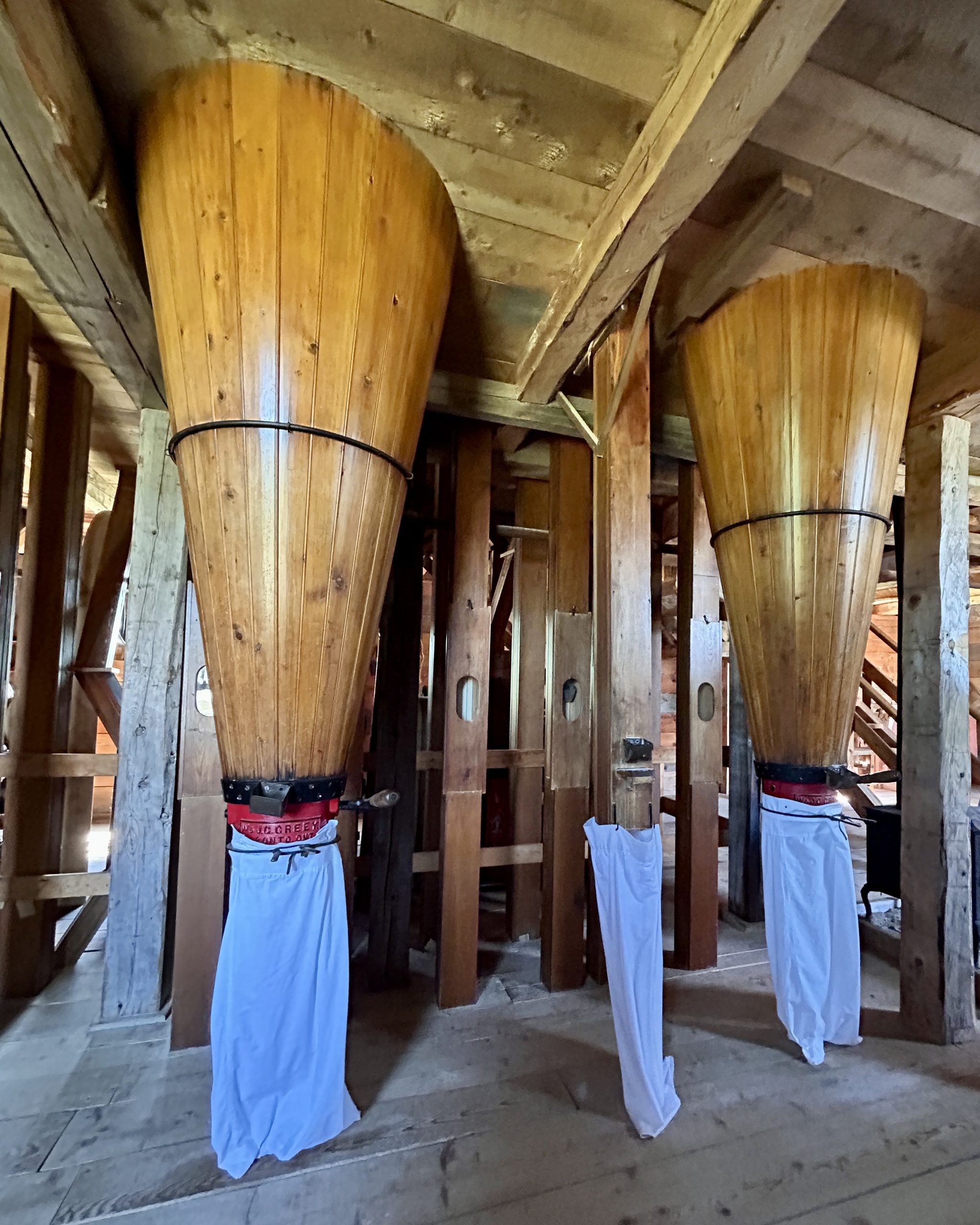
Riordon Mill
Irving Oil Exhibit: This was a cool surprise! Irving Oil is still a big name in New Brunswick today, and seeing its beginnings, with old cars, oil cans, and the company’s history, was a nice connection between past and present.
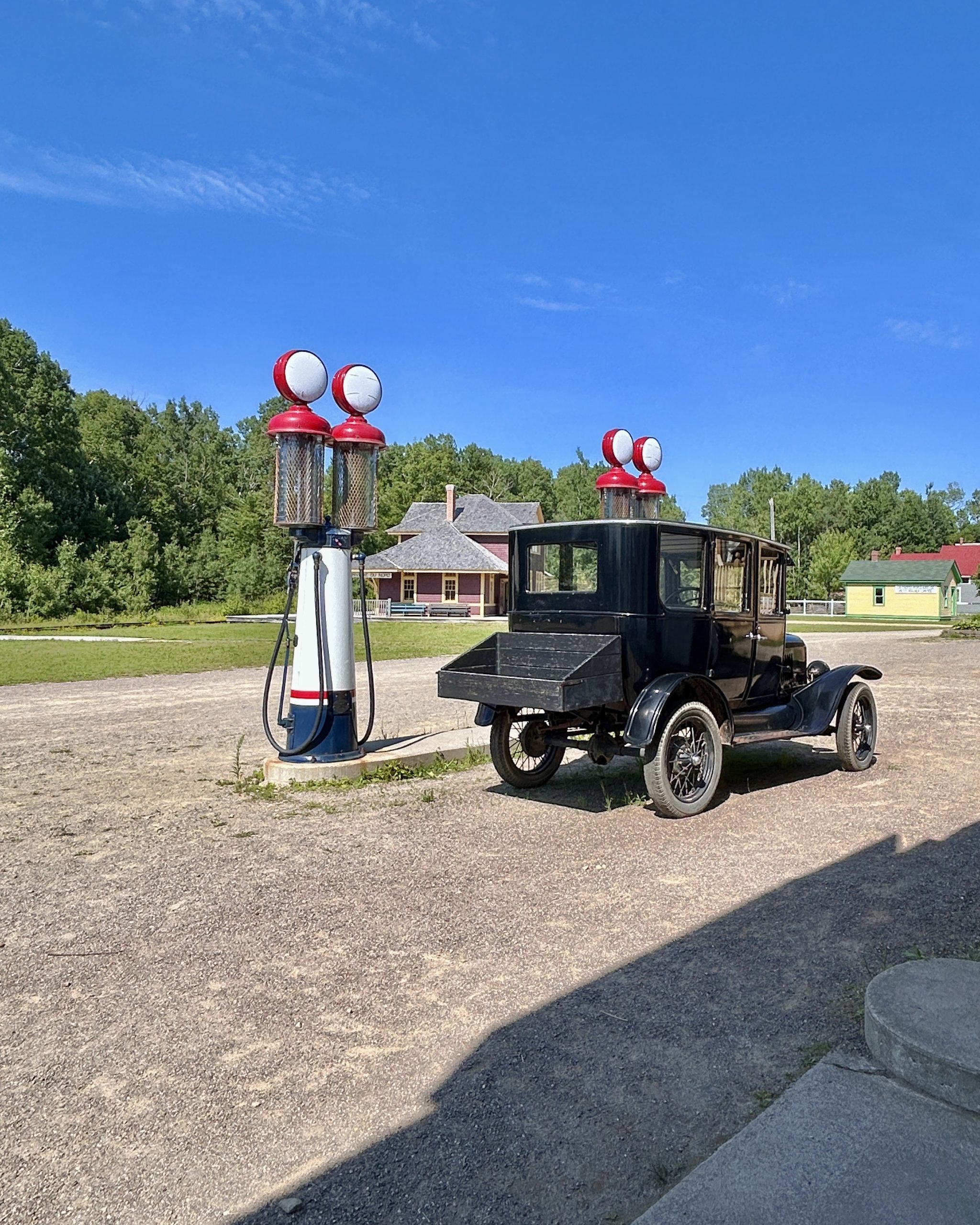
Interpretation: 1936
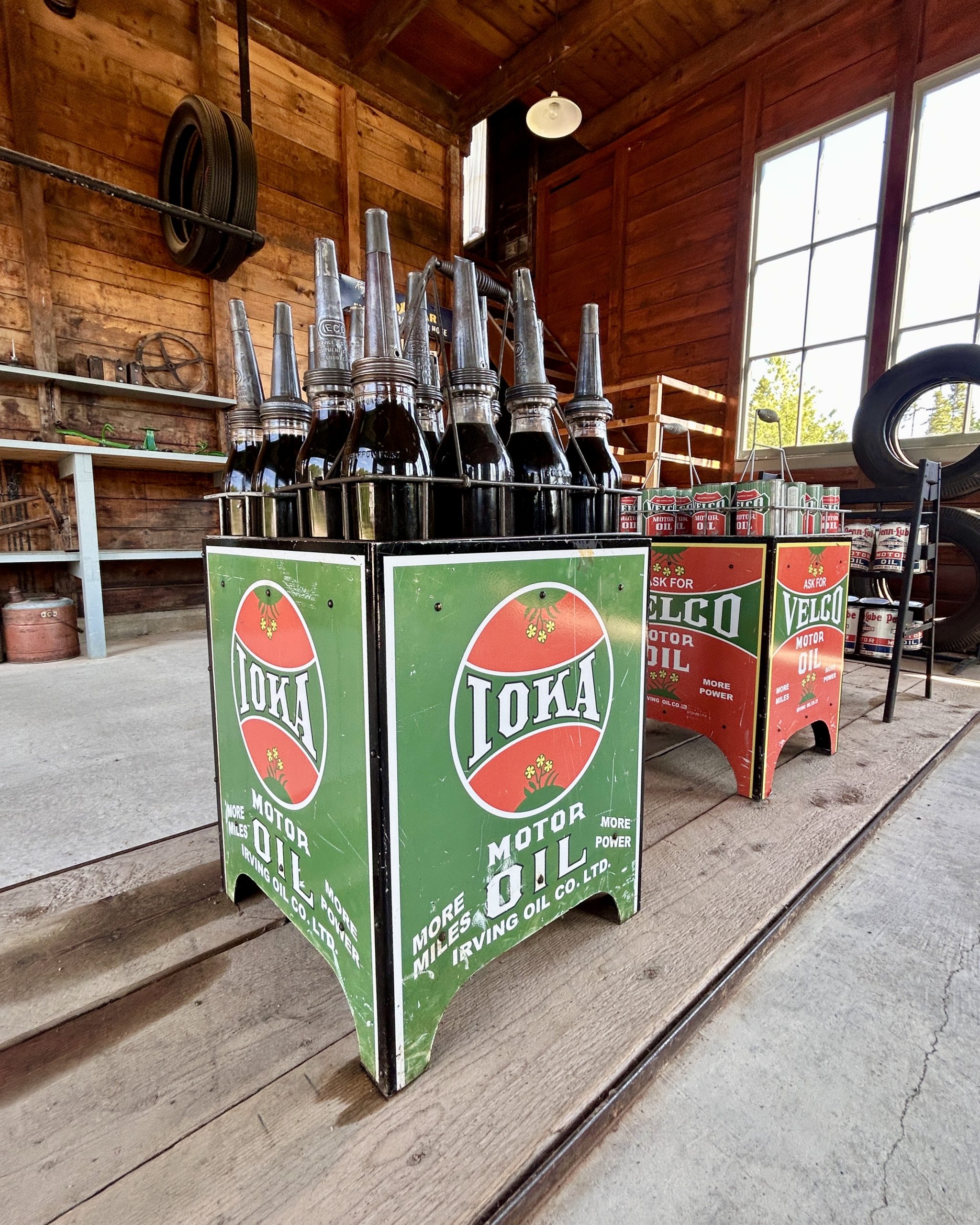
Irving Oil Service Station
The Barrel Workshop: Here, we learned how barrels were made for exporting and preserving fish. The actor was knowledgeable and happy to answer questions.
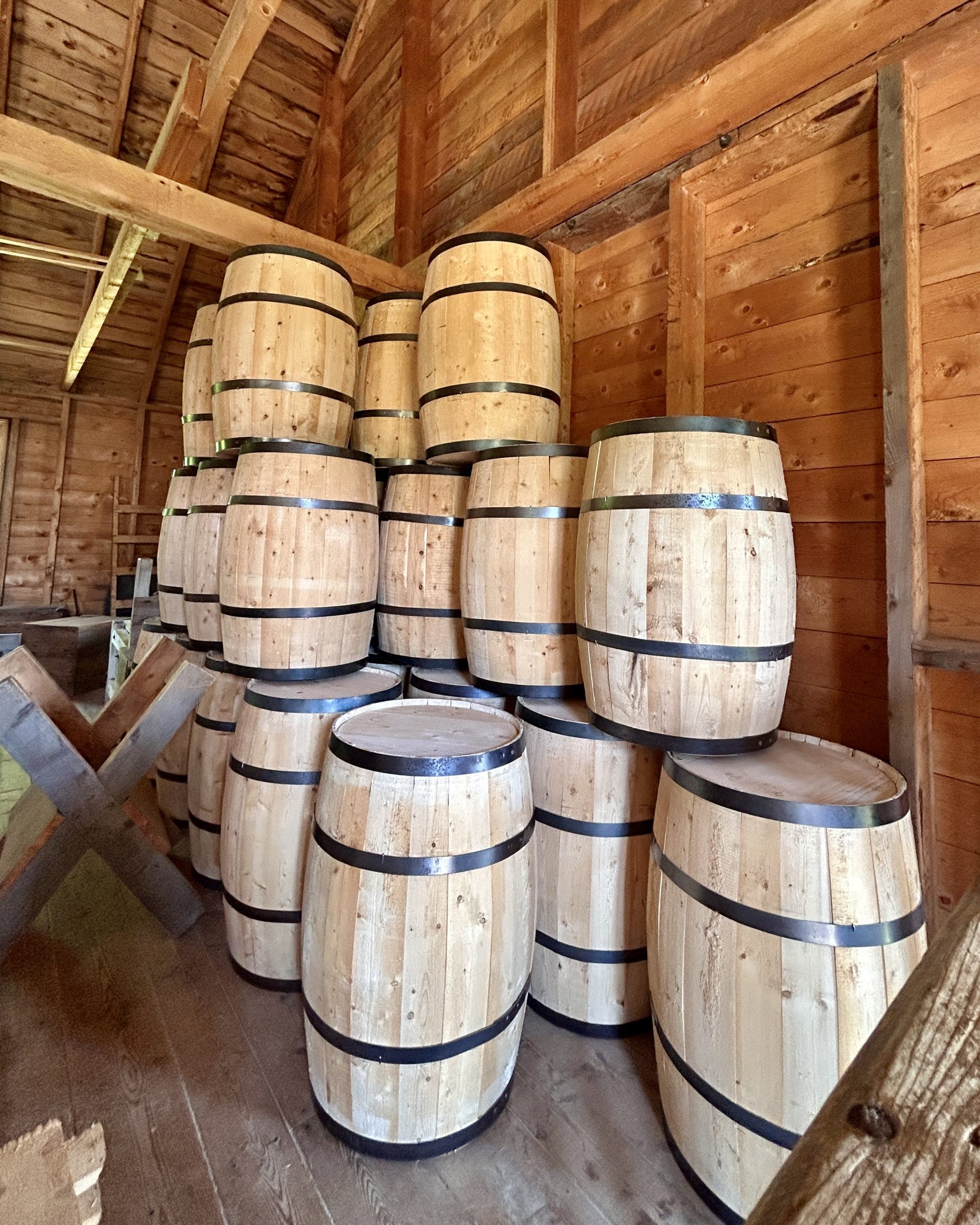
Interpretation: 1937
before you continue...
If you’re planning your trip to the Acadian Peninsula, these links might help
• ✈️ Book your flights here.
• 🏨 Find places to stay in the Acadian Peninsula here.
• 🚗 Rent a car for your trip here.
• 🎟️ Explore tours and activities with Viator.
• 🚐 Find unique RV stays with HarvestHosts.
• 🐾 Travel while caring for pets with TrustedHousesitters.
•🎒 Shop travel essentials on Amazon.
Honest Pros & Cons of the Acadian Historical Village
We like to keep it real, so here’s what we honestly thought:
Pros
- The map we received at the entrance was clear, easy to follow, and made it simple to plan our route.
- The staff and actors were friendly, and most were happy to explain things in English when we asked.
- It’s a beautiful site with a lot to see, making it a full-day activity.
- Parking was excellent, plenty of space for big rigs and RVs like ours.
Cons
- I expected a bit more historical context. While the houses were beautiful, there wasn’t much introductory information explaining the broader history of the Acadians. I actually learned more about the Great Upheaval at other museums in New Brunswick, especially the one before crossing to Prince Edward Island.
- Limited food options for vegans. Even desserts had milk, so we couldn’t really eat inside.
- Language barrier at first, we didn’t want to interrupt or be disrespectful since most visitors spoke French, but it meant we missed some explanations in the first few houses. Once we started asking, it was fine.
Where to Stay Near the Acadian Historical Village (RV & Hotel Options)
If you’re still wondering is the Acadian Historical Village worth visiting, here’s one more reason to say yes: wherever you’re traveling in this region, especially by RV, you’ll find plenty of places to stay nearby.
Hotels
Maybe you’re wondering: Can I spend the night at the Village Historique Acadien?
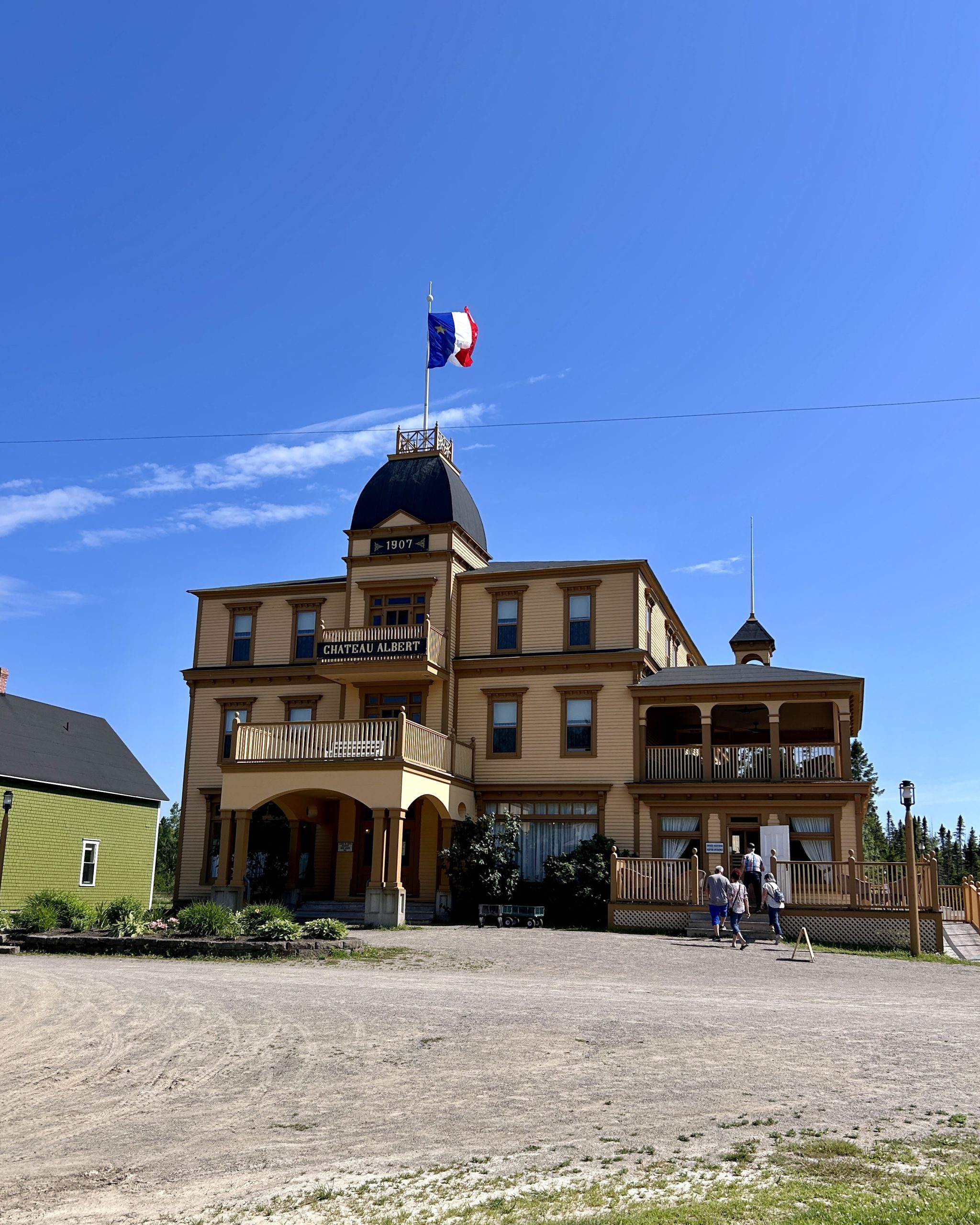
Yes! You can actually stay inside the village at Hôtel Château Albert, a beautifully reconstructed 1907 hotel that offers period-style charm with modern comforts.
Staying here means you can soak in the historical atmosphere even after the gates close for the day. It’s a unique experience if you want to fully immerse yourself in Acadian history.
If Château Albert is fully booked or you’d like to stay elsewhere, the town of Caraquet is only a 30-minute drive away and offers several accommodation options, from cozy B&Bs to modern hotels.
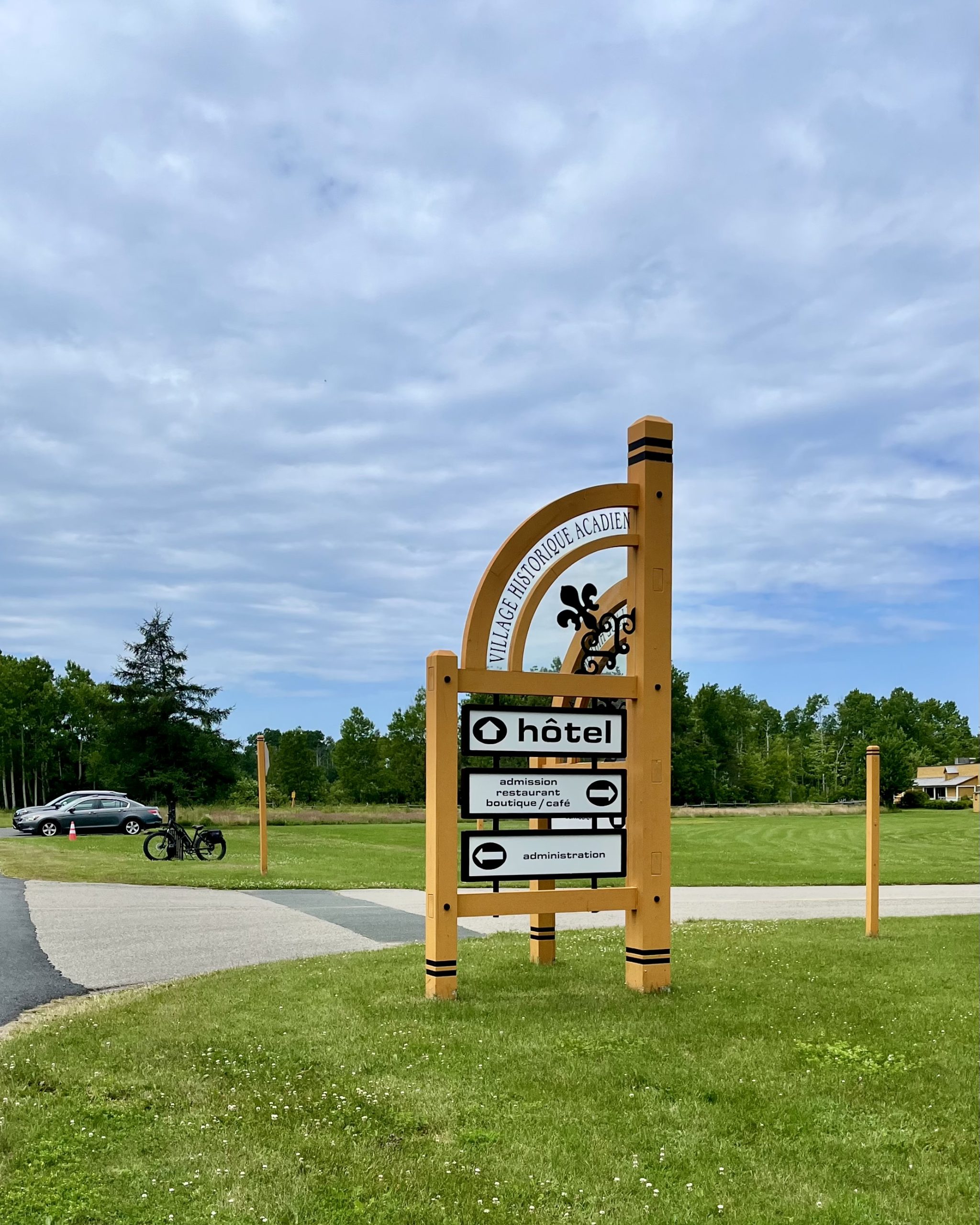
Village Historique Acadien
Campgrounds
If you’re an RVer asking yourself is the Acadian Peninsula worth visiting, here’s another reason to go: campgrounds are plentiful and well-suited for RVs, trailers, or tents during your road trip.
- Caraquet: Camping Colibri by the Sea and Maison Touristique Dugas Camping
- Shippagan: Camping Shippagan
Boondocking in the Acadian Peninsula (Our Free Overnight Stays)
If you’re wondering Can we camp overnight at the Acadian Historical Village?Unfortunately, no. Overnight camping is not allowed on-site. But the good news? You can easily stay in a nearby town and drive to the village in 30 minutes or less.
We spent our entire Acadian Peninsula trip boondocking, and found some fantastic free spots using iOverlander and our Harvest Hosts membership.
If you want to learn more about Harvest Hosts, you can check them out here. In our experience, they’ve given us great overnight spots with lovely views and friendly hosts. We highly recommend it.
Here are our favourites:
Shippagan – New Brunswick Aquarium:
Found through iOverlander, this spot sits right beside the aquarium and the lighthouse. It was perfect for a quiet night, and we loved walking the nearby boardwalk early in the morning.
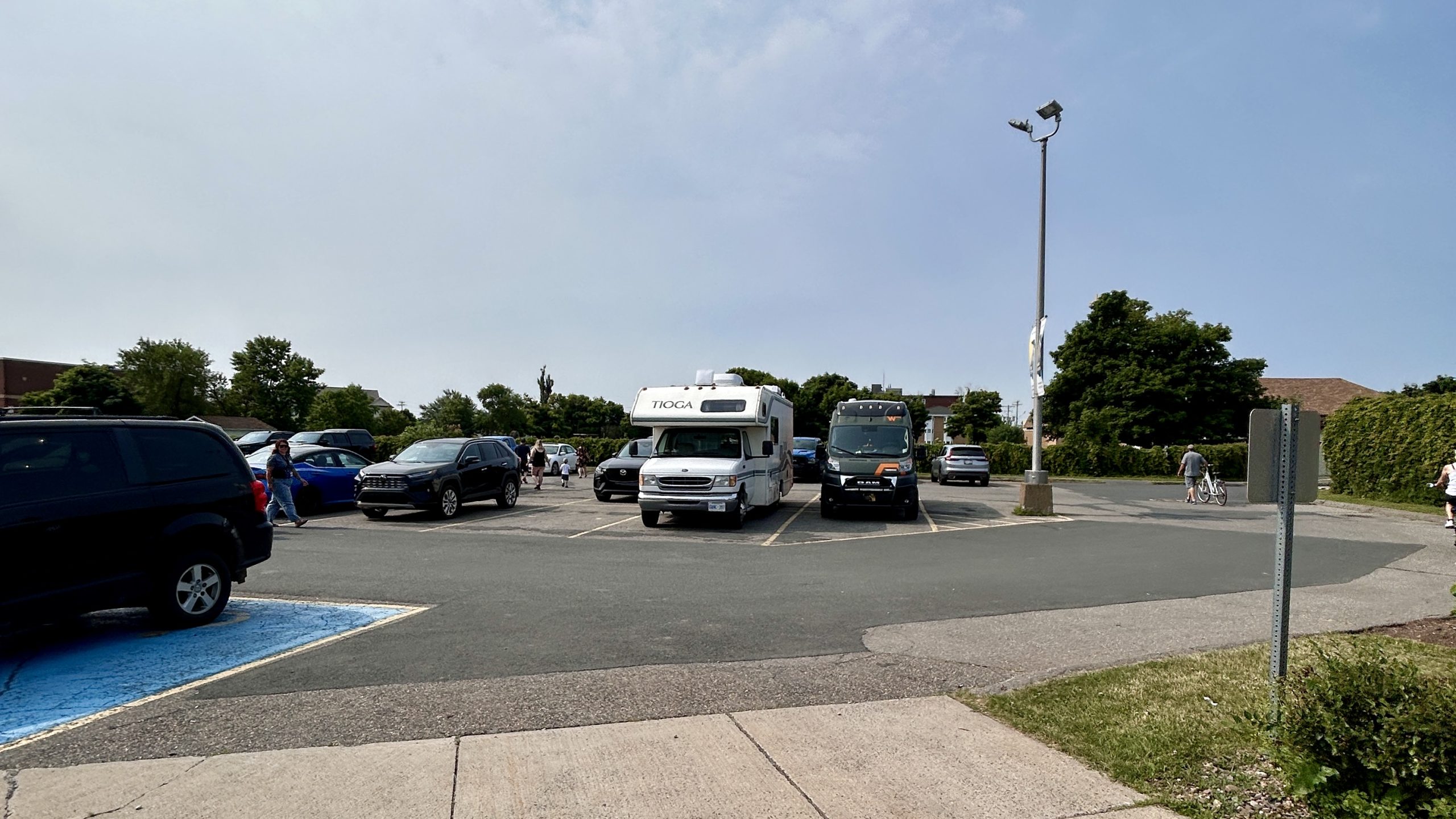
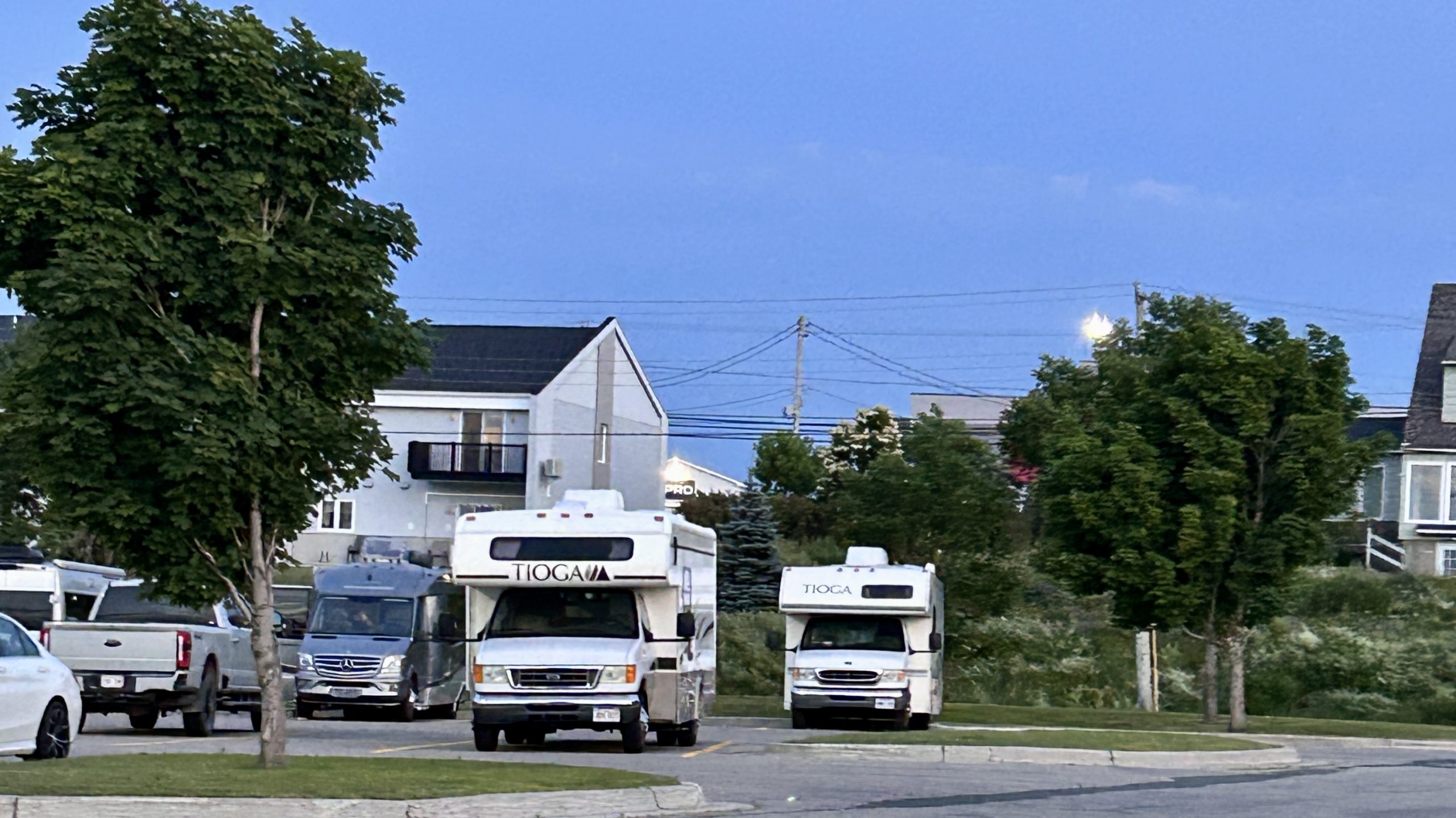
Caraquet – Carrefour de la Mer:
One of the most scenic places we’ve ever woken up in. This large parking lot by the sea allows overnight RV parking. There’s even a free dumping station nearby. Perfect for walking the waterfront or joining local events when they’re on.
If you’re planning your Acadian Peninsula itinerary, make sure to also check out our post Is the Acadian Peninsula Worth Visiting? Everything You Need to Know.
Is the Historical Village French or English?
The Acadians still speak French today, and in the Acadian Peninsula, it’s the main language you’ll hear. That said, the actors at the Village Historique Acadien are bilingual and can give the same explanations in English.
We don’t speak French at all, and English is our second language, so at first, we quietly waited until the French-speaking visitors had finished before asking for a short explanation in English. In the first 4–5 houses, we didn’t feel confident asking right away because it seemed like everyone else understood French. But eventually, we realized that if we didn’t ask, we wouldn’t understand anything… so we did!
Every single person we met was kind, welcoming, and happy to help.
So if you’re wondering is the Village Historique Acadien worth visiting if I don’t speak French? the answer is yes, absolutely. You’ll be just fine.
When Is the Best Time to Visit the Historical Acadian Village?
The Village Historique Acadien is open seasonally, usually from early June to late September. Outside of these months, the site is closed, so you’ll want to plan your trip accordingly.
If you’re traveling to New Brunswick during the summer, make sure to include the Historical Village on your itinerary. It’s one of the most unique cultural experiences in the Acadian Peninsula, and visiting when it’s in full operation, with actors in costume, shops open, and activities running, makes all the difference.
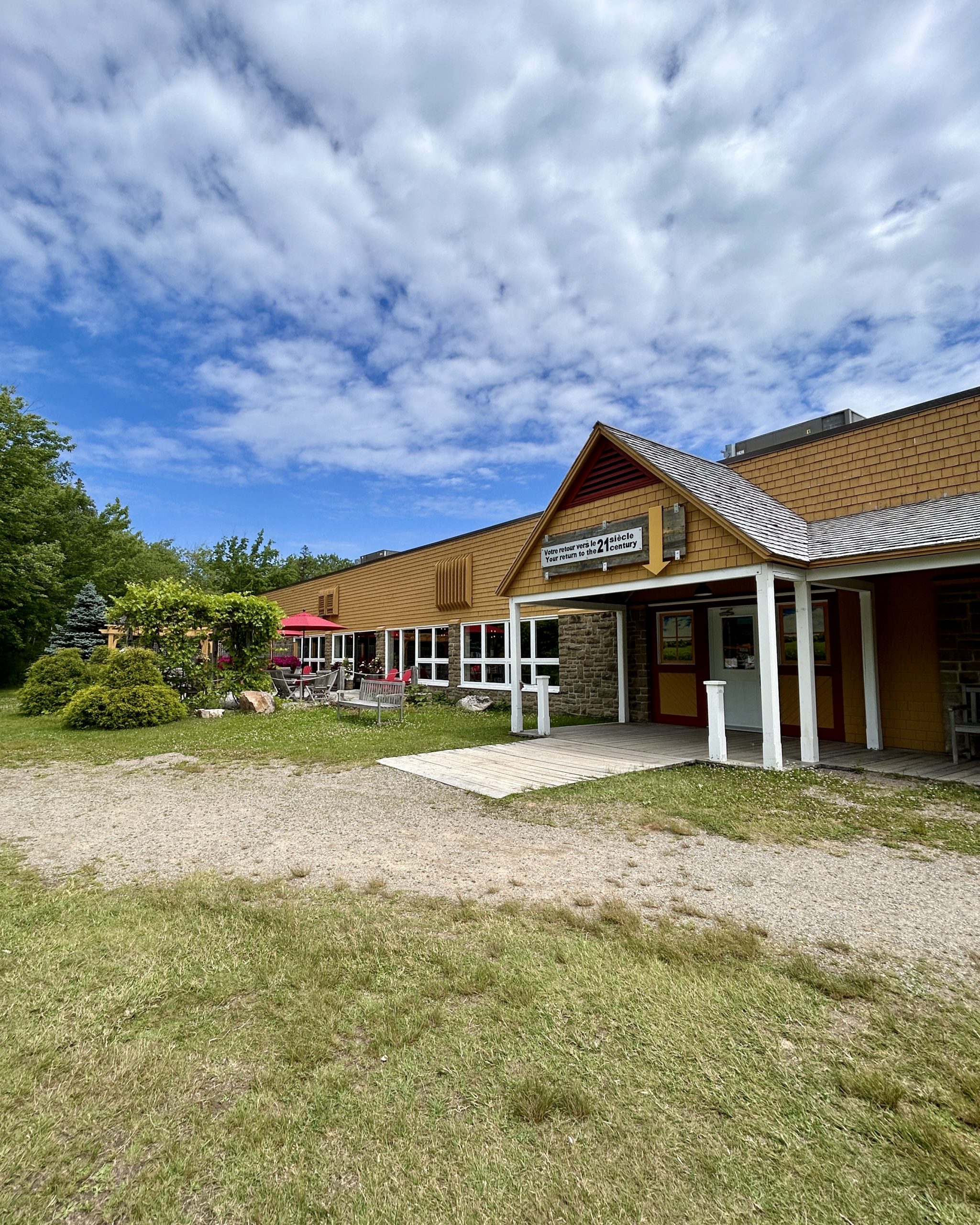
How Long Does It Take To Visit The Village?
This really depends on how much you want to see and how deep you want to go. Julieta is a total history junkie and love learning details, so it took us about 4 hours to visit every single spot, one by one, without skipping any.
At the beginning, I wandered around without listening to all the explanations, just taking in the sights. But once I started asking questions, the visit got even more interesting (and longer!). If you plan to ask more questions or take extra breaks, expect it to take even more time.
If you have the flexibility, I recommend coming back the next day to cover anything you missed, it can be exhausting to do it all in one go. You can definitely explore the highlights of the Acadian Historical Village in one day, but be prepared for a packed schedule.
We spent about 4 hours covering all 40 locations, with only a quick stop to eat before moving on.
So if you’re still asking is the Village Historique Acadien worth visiting, just know there’s plenty to see, learn, and appreciate about how life was in the past.
How to Get Around the Historical Acadian Village
If you’re visiting on a road trip with your own vehicle or flying into a nearby city and renting one, you’ll find plenty of parking spaces at the Village Historique Acadien, even for RVs and trailers.
Walking
Walking is the most common way to explore the Historical Village. You’ll spend most of your time outdoors, moving from building to building along a 2.2 km trail, so make sure you’re prepared: bring water, sunscreen, a hat, and snacks.
If you’re traveling with children, consider bringing a stroller or carrier they’ll be comfortable in. Keep in mind that the path is gravel, so pushing a cart might be a little more challenging.
Renting a Cart
For visitors with mobility concerns, you can rent an electric scooter or a cart through the official website or directly at the entrance. The cost of an Electric Scooter is around $30 per day, and a Cart is $10 per day. This is a great way to ensure everyone can comfortably enjoy the visit without feeling rushed or exhausted.

Biking
While traditional biking isn’t allowed inside the village, there are options nearby.
Fat biking is allowed on certain permit-access trails during winter, and for a scenic route that includes the village, you can ride the Véloroute de la Péninsule acadienne, it passes through the entrance area and lets you explore the Acadian Peninsula on two wheels.
How to Get to the Acadian Historical Village
Still wondering is the Acadian Historical Village worth visiting and how to actually get there? Whether you’re coming from a nearby town or flying in, it’s easier than you might think.
From Caraquet
If you’re already exploring the Acadian Peninsula, the Village Historique Acadien is just a 30-minute drive from Caraquet toward Bertrand.
Parking is plentiful, with spaces for both cars and RVs, so there’s no need to stress about finding a spot. You can purchase your tickets directly at the entrance or save time by booking them online.
From the Closest Airport
The nearest major airport is Bathurst Airport (ZBF), about 30 km (20 miles) away, roughly a 25-minute drive. From there, you can rent a car or arrange a taxi to take you straight to the village.
If you’re flying in from further away, Greater Moncton Roméo LeBlanc International Airport (YQM) is another option, located about 3.5 hours south by car.
Conclusion
Is the Acadian Historical Village Worth Visiting? Yes, it absolutely is!
If you’ve been asking yourself is the Acadian Historical Village worth visiting?, we hope this guide gave you all the details (and a little extra inspiration) to plan your trip.
We spent over five weeks exploring New Brunswick, and visiting the Village Historique Acadien was one of the highlights of our time in the Acadian Peninsula. Between the warm hospitality, fascinating history, and the chance to feel like you’ve stepped back in time, it’s a stop we truly recommend adding to your itinerary.
Whether you’re road-tripping in an RV, visiting for the day, or making it part of a longer East Coast adventure, the Acadian Peninsula offers a unique mix of culture, coastal scenery, and welcoming communities. We left with great memories, and already dreaming about what we’ll see next time.
Ready to book your trip?
Use these trusted resources to book everything in one place.
• ✈️ Book your flights here.
• 🏨 Find places to stay in the Acadian Peninsula here.
• 🚗 Rent a car for your trip here.
• 🎟️ Explore tours and activities with Viator.
• 🚐 Find unique RV stays with HarvestHosts.
• 🐾 Travel while caring for pets with TrustedHousesitters.
•🎒 Shop travel essentials on Amazon.
Looking for more travel ideas in the region? Check out these posts:
- 32 Things To Do In The Acadian Peninsula, New Brunswick
- Is the Acadian Peninsula Worth Visiting? Everything You Need to Know
- Where to Stay in New Brunswick, Canada: Best Hotels by area
- Is New Brunswick Worth Visiting? 5 Weeks Exploring The Province
- 50 Best Things to do in New Brunswick (Complete Travel Guide)
- Is Mount Carleton Provincial Park Worth Visiting? Everything You Need to Know.
- Is Bathurst, New Brunswick Worth Visiting? Things To Do In 48 Hours
- 18 Best Things To Do In Miramichi In Summer
- What to Do in Edmundston, New Brunswick
- Is Fredericton Worth Visiting? Reasons You’ll Want To Add It To Your Trip
- Fundy Trail Parkway Guide to Exploring New Brunswick’s Coast
- How to Spend a Full Day on the Fundy Trail Parkway: A Complete Guide
- Hopewell Rocks Provincial Park Guide (2026): All You Need to Know Before You Go
- Hopewell Rocks Itinerary: Low + High Tide Guide (How to Plan Your Day)
- Is Prince Edward Island Worth Visiting? A Complete Travel Guide